
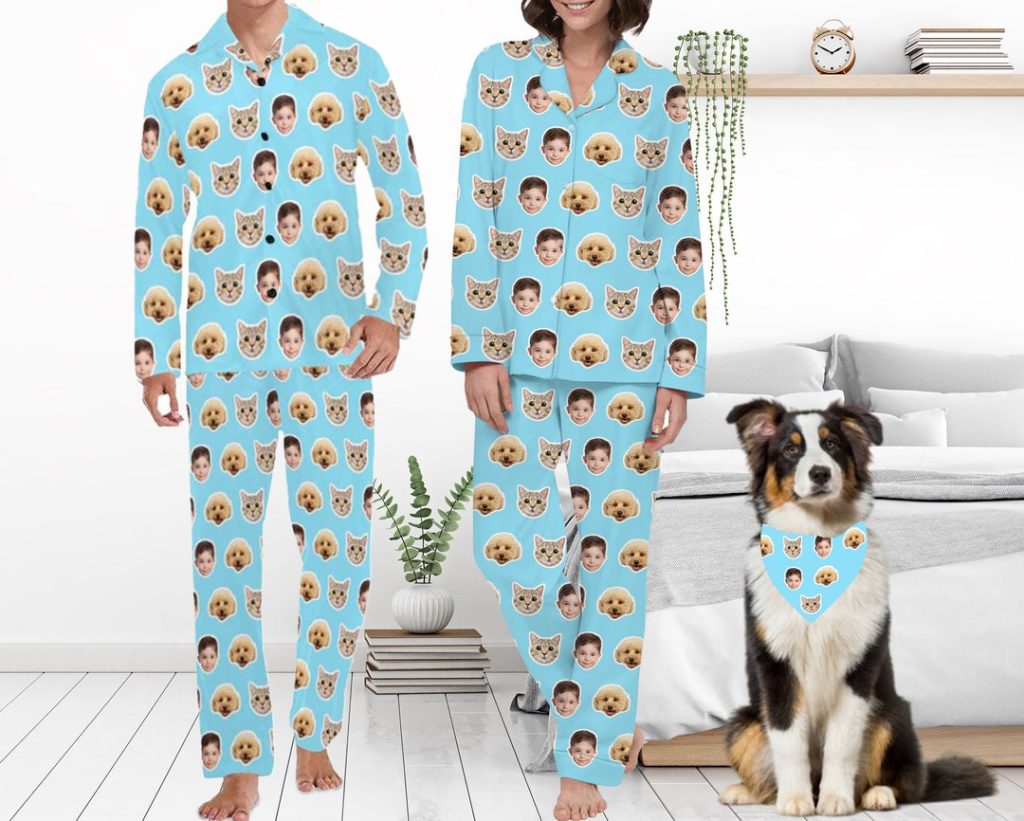
Custom-made sleepwear for companion animals, often fabricated from soft, comfortable materials, allows owners to tailor garments to their pet’s specific dimensions and aesthetic preferences. These articles of clothing may feature monograms, unique patterns, or miniature replicas of the owner’s attire, providing a distinctive and personalized touch.
Such customized apparel offers a unique avenue for expressing affection and solidifying the bond between humans and their pets. Beyond aesthetics, these items can provide warmth and comfort, particularly for breeds with shorter coats or in colder climates. The practice of dressing pets in specialized clothing has grown in popularity over recent decades, reflecting evolving societal perceptions of pets as integral family members.
The following sections will delve into the factors to consider when selecting appropriate materials, design options, and safety considerations for ensuring the comfort and well-being of the animal during wear.
1. Fabric Breathability
Fabric breathability is a critical determinant of comfort and well-being when selecting customized sleepwear for companion animals. The physiological effect of inadequate ventilation within the garment can lead to overheating, skin irritation, and potential discomfort. Materials that lack breathability trap body heat, hindering the natural cooling mechanisms of the animal’s skin. For instance, synthetic fabrics like tightly woven polyester, while durable, often impede air circulation, creating a humid microclimate within the pajamas. This can exacerbate pre-existing skin conditions or contribute to the development of new ones, particularly in breeds prone to allergies or dermatitis.
Conversely, natural fibers such as cotton and bamboo rayon possess inherent breathability due to their porous structure. These materials allow for the passage of air and moisture, facilitating evaporative cooling. The practical significance of this characteristic is evident in the reduced risk of heat stress and skin maceration. Owners who prioritize fabric breathability in their selections are actively mitigating potential adverse health outcomes associated with prolonged garment wear. Furthermore, the choice of breathable fabric often correlates with improved sleep quality, as the animal experiences a more comfortable and regulated body temperature throughout the night.
In summary, the selection of breathable fabrics for personalized pet pajamas is not merely an aesthetic consideration, but a crucial factor in safeguarding the animal’s health and comfort. The consequences of neglecting breathability can range from minor skin irritation to more severe dermatological issues. Therefore, prioritizing natural, airy materials is a fundamental principle in responsible pet ownership and the provision of comfortable, customized apparel.
2. Secure Fastenings
The integration of secure fastenings within customized sleepwear for companion animals is not merely a design element, but a crucial safety consideration. The functionality and reliability of these closures directly impact the animal’s well-being, preventing entanglement and potential hazards.
-
Type of Fastening Material
The composition of the fastening materialwhether hook-and-loop closures (Velcro), snaps, buttons, or zippersinfluences its overall security and potential for irritation. Hook-and-loop closures, while convenient, can snag fur and lose effectiveness over time. Snaps and buttons offer a more secure hold but may pose a choking hazard if detached. Zippers, if improperly shielded, can pinch skin. The choice of material must balance ease of use with the minimization of risk.
-
Placement and Design of Closure
The positioning of fastenings on the sleepwear significantly affects its security and comfort. Closures located on the animal’s back are generally preferred to those on the underside, reducing pressure and potential irritation when the animal is lying down. The design should ensure that fastenings are flush with the fabric, minimizing the risk of snagging on furniture or other objects. Redundant closures, such as a combination of snaps and hook-and-loop, can provide an added layer of security.
-
Adjustability and Fit
Secure fastenings should allow for adjustability to accommodate variations in body shape and size. A snug, but not constricting, fit is essential to prevent the garment from slipping off, which could lead to entanglement. Adjustable straps or closures enable owners to fine-tune the fit, ensuring comfort and security. The fastenings should also allow for freedom of movement, preventing chafing or restriction of limb articulation.
-
Durability and Resistance to Wear
The long-term effectiveness of secure fastenings depends on their durability and resistance to wear. Repeated use and washing can degrade the integrity of closures, leading to decreased security. Reinforced stitching and high-quality materials are essential to ensure that fastenings remain functional over time. Regular inspection of fastenings for signs of wear or damage is crucial for maintaining safety.
The selection and implementation of secure fastenings in customized pet sleepwear necessitates a balanced approach, considering material composition, design, adjustability, and durability. Prioritizing these factors contributes to the overall safety and comfort of the animal, mitigating potential risks associated with ill-fitting or poorly designed closures.
3. Accurate Sizing
Accurate sizing constitutes a fundamental prerequisite for the successful implementation of customized sleepwear for companion animals. The dimensions of the garment must correspond precisely to the animal’s measurements to ensure comfort, freedom of movement, and overall well-being. Deviations from precise sizing can lead to various adverse outcomes, compromising the intended benefits of personalized attire.
-
Circumference Measurements
Girth measurements around the neck, chest, and abdomen are critical for preventing constriction or looseness. Insufficient circumference can impede breathing and digestion, while excessive circumference allows for slippage and entanglement. Precise measurements at these points guarantee a snug yet comfortable fit, facilitating unrestricted movement and preventing potential hazards. The selection of appropriately sized necklines is vital to avoiding choking hazards, especially during sleep.
-
Length Determinations
Torso length, measured from the base of the neck to the base of the tail, dictates the overall fit of the garment. Insufficient length can cause the fabric to pull uncomfortably, restricting movement and potentially causing skin irritation. Excessive length may result in the animal stepping on or becoming entangled in the fabric. Accurate length determination ensures that the sleepwear provides adequate coverage without compromising mobility or safety.
-
Limb Considerations
The length and circumference of the animal’s limbs, if applicable to the design of the sleepwear, necessitate careful measurement. Sleeves that are too long can impede movement and increase the risk of tripping, while sleeves that are too tight can restrict circulation. Accurate limb measurements facilitate the creation of a garment that conforms to the animal’s anatomy, promoting comfort and preventing potential injuries.
-
Breed-Specific Variations
An awareness of breed-specific anatomical variations is essential for achieving accurate sizing. Brachycephalic breeds, for example, often require accommodations in neckline design to ensure unrestricted breathing. Similarly, breeds with deep chests may necessitate adjustments in chest circumference measurements. An understanding of these variations allows for the creation of customized sleepwear that caters to the unique physical characteristics of individual animals.
The integration of accurate sizing protocols into the fabrication of customized pet sleepwear ensures that the garment serves its intended purpose without compromising the animal’s comfort or safety. Meticulous attention to circumference, length, and limb measurements, coupled with an awareness of breed-specific variations, is crucial for optimizing the fit and functionality of these personalized items. The result is a garment that enhances the animal’s well-being and promotes a positive experience with customized apparel.
4. Design Uniqueness
Design uniqueness, in the context of customized sleepwear for companion animals, transcends mere aesthetic appeal and becomes a significant factor in expressing individuality and reinforcing the human-animal bond. The capacity to personalize these garments allows owners to imbue them with elements that reflect the pet’s personality, the owner’s preferences, or a shared connection. This customization can range from the inclusion of the pet’s name or likeness to more intricate designs that incorporate meaningful symbols or patterns. The effect of this design element is to transform a functional item into a personalized emblem of the relationship between pet and owner. For example, a dog known for its playful nature might have pajamas adorned with cartoonish bones or paw prints, while a more dignified cat could sport a monogrammed set in a sophisticated color palette. The importance of design uniqueness lies in its ability to elevate the garment beyond a simple piece of clothing, turning it into a tangible representation of affection and identity.
The practical significance of understanding design uniqueness extends to the commercial realm, where manufacturers and retailers can leverage this demand for personalization to create a competitive advantage. By offering a wide array of customization options, from fabric choices and embroidery styles to the incorporation of user-submitted images, businesses can cater to the growing market for bespoke pet products. Moreover, the use of advanced printing technologies and design software allows for the creation of increasingly intricate and unique patterns, further enhancing the appeal of these customized items. Consider the case of online retailers who specialize in pet apparel, offering design templates that allow customers to visualize and modify the appearance of their pet’s pajamas before placing an order. This level of control and personalization not only enhances customer satisfaction but also fosters brand loyalty.
In conclusion, design uniqueness is not merely a superficial aspect of personalized pet pajamas but an integral component that contributes to their emotional and commercial value. The challenges associated with implementing design uniqueness lie in balancing the desire for personalization with considerations of cost, production efficiency, and quality control. However, by embracing innovative technologies and design strategies, businesses can effectively cater to the growing demand for individualized pet products, solidifying their position in a competitive market. The broader theme of this exploration highlights the evolving role of pets in modern society and the increasing emphasis on expressing affection and individuality through customized products.
5. Washability
Maintaining hygiene in personalized pet pajamas requires careful consideration of washability. The frequency and method of cleaning directly influence the longevity of the garment, the health of the animal, and the overall value of the investment.
-
Fabric Resilience
The inherent resilience of the fabric to repeated wash cycles determines the pajama’s lifespan. Materials prone to shrinkage, fading, or deformation under standard washing conditions necessitate specialized care or more frequent replacement. For example, delicate fabrics like silk or heavily embellished cotton blends demand gentle washing cycles and air drying to preserve their structural integrity. The selection of robust, colorfast materials can significantly extend the period of use and maintain the aesthetic appeal of the personalized garment.
-
Detergent Compatibility
The interaction between detergents and fabric dyes impacts the vibrancy and colorfastness of personalized pet pajamas. Harsh chemicals and bleaching agents can accelerate fading and discoloration, particularly in garments featuring intricate patterns or personalized monograms. The use of mild, dye-free detergents is advisable to mitigate these effects and preserve the original appearance. Understanding the chemical composition of both the fabric and the detergent is crucial for preventing irreversible damage.
-
Sanitization Efficacy
Effective sanitization during washing is essential for removing allergens, bacteria, and other contaminants that accumulate on pet pajamas. Insufficient cleaning can lead to skin irritation, allergic reactions, and the transmission of zoonotic diseases. Washing garments at elevated temperatures (where fabric allows) and using sanitizing additives can enhance the removal of harmful microorganisms. Regular and thorough washing contributes directly to the health and well-being of the animal.
-
Construction Integrity
The construction integrity of the pajama, including seams, fastenings, and embellishments, must withstand the rigors of repeated washing. Weak seams or poorly attached embellishments can unravel or detach during the wash cycle, compromising the garment’s functionality and aesthetic appeal. Reinforced stitching and durable fastenings are essential for maintaining the structural integrity of the pajama and preventing premature wear. High-quality construction enhances washability and extends the lifespan of the personalized item.
These considerations underscore the significance of washability as a key factor in the design and maintenance of personalized pet pajamas. A balanced approach, incorporating durable materials, appropriate detergents, effective sanitization practices, and robust construction, is essential for maximizing the lifespan, hygiene, and overall value of these customized garments.
6. Durability
The longevity of personalized pet pajamas is directly proportional to their inherent durability. The capacity of these garments to withstand repeated wear, washing, and the rigors of animal activity determines their overall value and the satisfaction derived from their use. The connection between these factors is causal: inadequate durability necessitates frequent replacement, negating the benefits of personalization through increased expense and inconvenience. The importance of durability as a component stems from the investment, both financial and emotional, associated with customized items. Owners expect personalized items to last, justifying the premium often paid for unique designs and tailored fits. Consider the example of a custom-embroidered pajama set designed for a specific breed, which, due to substandard materials, deteriorates after only a few wash cycles. The initial appeal of the personalization is quickly overshadowed by the frustration of premature failure, diminishing the perceived value of the product. The practical significance of this understanding lies in informing both consumer choices and manufacturing practices. Consumers benefit from prioritizing quality and material composition, while manufacturers must prioritize robust construction and durable materials to meet expectations and maintain brand reputation.
Further analysis reveals that specific design features contribute significantly to durability. Reinforced seams, high-quality fasteners, and the selection of inherently strong fabrics, such as tightly woven cotton or polyester blends, extend the lifespan of the garment. The choice of printing methods also impacts durability; screen printing or dye sublimation tend to outlast heat transfers, which are prone to cracking and peeling over time. Real-world applications demonstrate this principle: pajamas constructed with double-stitched seams and utilizing fade-resistant dyes exhibit significantly greater longevity compared to those lacking these features. Moreover, understanding the intended use-case informs material selection. Pajamas designed for active pets should incorporate more abrasion-resistant materials than those intended for purely aesthetic purposes. The practical application translates into tailoring the durability level to the specific needs of the animal and the expectations of the owner.
In summary, the connection between durability and personalized pet pajamas is paramount. Prioritizing durable materials, robust construction techniques, and appropriate printing methods maximizes the lifespan and overall value of these customized items. Challenges in achieving optimal durability include balancing cost considerations with quality requirements and accurately predicting the wear patterns associated with different animal behaviors. However, by focusing on inherent material properties, thoughtful design choices, and meticulous manufacturing processes, manufacturers can deliver personalized pet pajamas that meet the demands of both pet and owner, ensuring lasting enjoyment and reinforcing the bond between them. The broader theme underscores the importance of quality craftsmanship in the context of personalized goods, where the emotional value of customization is amplified by the expectation of enduring quality.
Frequently Asked Questions
This section addresses common inquiries regarding the selection, care, and implications of customized sleepwear for companion animals.
Question 1: What materials are most suitable for fabrication of personalized pet pajamas?
Natural, breathable fabrics such as cotton, bamboo, and linen are generally preferred. These materials promote air circulation, reducing the risk of overheating and skin irritation. Synthetic fabrics may be appropriate in certain climates or for specific breeds, but careful consideration should be given to breathability and potential allergenicity.
Question 2: How can the appropriate size for personalized pet pajamas be determined?
Accurate measurements of the animal’s neck circumference, chest girth, and body length are essential. Consult sizing charts provided by the manufacturer, and prioritize measurements over breed-specific sizing guidelines, as individual animal proportions can vary significantly.
Question 3: What safety precautions should be observed when using personalized pet pajamas?
Ensure that the pajamas do not restrict movement or impede breathing. Avoid designs with small, detachable components that could pose a choking hazard. Regularly inspect the garment for signs of wear or damage that could compromise its safety.
Question 4: How frequently should personalized pet pajamas be washed?
The frequency of washing depends on the animal’s activity level, the environment, and the presence of any skin conditions. In general, washing the pajamas every one to two weeks is sufficient. Use a mild, hypoallergenic detergent to minimize the risk of irritation.
Question 5: Are there any potential drawbacks to dressing pets in personalized pajamas?
Potential drawbacks include overheating, skin irritation, and restriction of movement. Certain animals may also exhibit signs of distress or discomfort when wearing clothing. Careful monitoring of the animal’s behavior is essential to identify any adverse reactions.
Question 6: What factors influence the cost of personalized pet pajamas?
The cost is influenced by material quality, design complexity, customization options, and brand reputation. Garments fabricated from premium materials or featuring intricate embroidery tend to command a higher price. Location also significantly increases the end-consumer costs.
In summary, the responsible use of customized sleepwear for companion animals requires careful attention to material selection, sizing, safety, and hygiene. Understanding the potential drawbacks and monitoring the animal’s well-being are essential for ensuring a positive experience.
The subsequent section will explore emerging trends and future innovations in the realm of customized pet apparel.
Essential Tips for Personalized Pet Pajamas
Selecting appropriate sleepwear for companion animals requires careful consideration of factors beyond aesthetics. The following tips provide guidance for ensuring the comfort, safety, and well-being of pets when using customized garments.
Tip 1: Prioritize Breathable Fabrics. The selection of materials such as cotton, bamboo, or linen minimizes the risk of overheating and skin irritation. Avoid synthetic fabrics that impede air circulation.
Tip 2: Ensure Accurate Sizing. Measure the animal’s neck circumference, chest girth, and body length precisely. Consult sizing charts provided by manufacturers, and prioritize measurements over breed-specific recommendations.
Tip 3: Conduct Safety Inspections. Before each use, examine the pajamas for loose threads, detached buttons, or other potential hazards. Ensure that the garment does not restrict movement or impede breathing.
Tip 4: Select Appropriate Fastenings. Opt for secure closures, such as Velcro or snaps, that are unlikely to detach or cause entanglement. Avoid zippers or buttons that could irritate the animal’s skin.
Tip 5: Monitor for Discomfort. Observe the animal’s behavior closely after the garment is introduced. Signs of discomfort may include excessive scratching, agitation, or reluctance to move.
Tip 6: Maintain Hygiene Standards. Wash the pajamas regularly using a mild, hypoallergenic detergent. Thoroughly rinse the garment to remove any residual soap that could cause skin irritation.
Tip 7: Consider Seasonal Variations. Adapt the weight and material of the pajamas to suit seasonal temperature fluctuations. Lighter, more breathable fabrics are suitable for warmer months, while thicker materials provide insulation in colder climates.
Adherence to these recommendations promotes the responsible and beneficial use of customized sleepwear for companion animals, minimizing potential risks and maximizing the comfort and safety of pets.
The subsequent section will offer concluding remarks summarizing the critical aspects of personalized pet pajamas.
Conclusion
This exploration of personalized pet pajamas reveals complexities extending beyond mere novelty. The selection, implementation, and maintenance of such garments necessitate careful consideration of material science, animal welfare, and safety protocols. Prioritizing breathable fabrics, accurate sizing, secure fastenings, and meticulous hygiene practices remains paramount for responsible pet ownership.
The integration of personalized pet pajamas into the lives of companion animals represents an evolving dynamic between humans and their pets. Continued research into optimal designs and materials, coupled with a commitment to animal welfare, will further refine the responsible use of these customized items, ensuring both safety and comfort. Consideration of these elements remains crucial for integrating these items effectively.


