In this guide
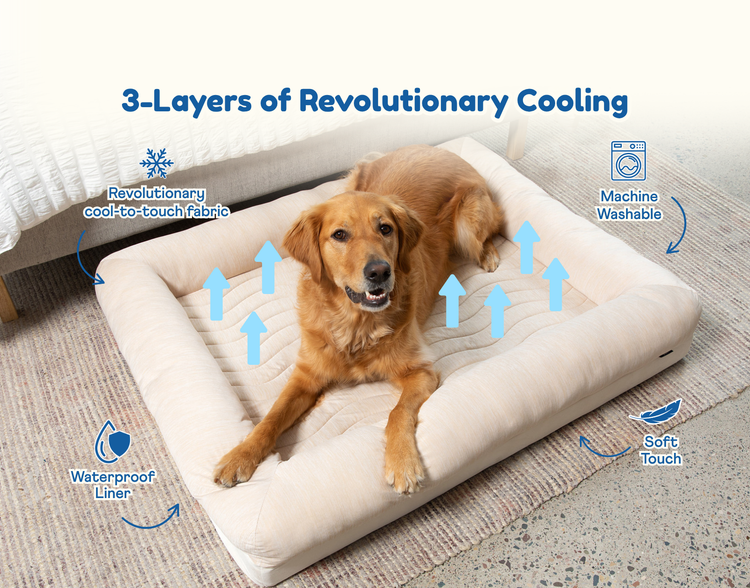
Summer heat can be uncomfortable for everyone, and your dog feels it even more sharply. Dogs don’t sweat the way humans do; they rely on panting and limited paw pads to regulate temperature. A hot floor or a stuffy indoor space provides little relief. A cooling dog bed for summer weather is one practical way to help your pet stay comfortable when temperatures climb. But not all cooling beds work the same way, and choosing the right one depends on your dog’s size, coat type, and sleeping habits. This guide walks you through how these beds function, what to look for, and five popular cooling bed styles worth considering this season.
How Cooling Dog Beds Actually Work
Before buying anything, it helps to understand the three main technologies used in cooling beds. Each has a different mechanism and works best under different conditions.
1. Gel or Water-Filled Cooling Pads
These beds contain a sealed layer of cooling gel or water. When the dog lies down, their body weight presses against the pad, which activates the gel and draws heat away from the body. The gel absorbs heat and feels noticeably cool to the touch. Some versions need to be chilled in the fridge first; others are self-activated and remain cool without any preparation.
2. Phase-Change Material (PCM) Beds
PCM beds use a material that absorbs heat when it melts slightly and releases it when it resolidifies. The result is a bed that stays at a consistent, cooler temperature for several hours. These beds are more expensive but often last longer and require no refrigeration.
3. Elevated or Airflow Mesh Beds
Elevated cots with breathable mesh fabric allow air to circulate underneath and around the dog. They don’t actively cool but prevent the buildup of body heat against a solid surface. They work well in shaded, breezy areas and are also useful outdoors.
Some beds combine cooling layers with plush foam for comfort, while others are thin mats that are easy to move. The right choice depends on whether your dog prefers a cushioned surface or a taut, open one. Keep in mind that product specifications and materials change frequently, so always confirm the current details on the retailer’s page.
What to Look For in a Cooling Dog Bed for Summer
Choosing a bed isn’t just about picking the coolest option. Your dog needs an appropriate size, a durable cover, and a design that suits their behavior. Consider the following checklist before you make a purchase:
- Size and weight capacity: A bed that is too small will be ignored. Check the dimensions against your dog’s length from nose to tail base. Many brands list recommended weight ranges.
- Nontoxic, chew-resistant materials: If your dog is a chewer, look for reinforced seams and heavy-duty outer fabric. Note that no fabric is completely chew-proof, and gel pads can leak if punctured.
- Easy to clean: Removable, machine-washable covers are a must. Cooling gel layers should be wipeable, not submerged in water.
- Non-slip base: A rubber or textured bottom prevents the bed from sliding on tile or hardwood floors as your dog settles in.
- No refrigeration needed or not: Some pet owners enjoy the fast chill of refrigerated pads, but others prefer the convenience of self-cooling options that work anywhere.
- Indoor vs. outdoor use: Elevated mesh beds are great outdoors but may not provide enough cushioning for older dogs indoors. Gel pads work well on any flat surface but need shade if used outside.
You’ll also want to think about your dog’s fur. Thin-coated dogs may find very cold gel beds uncomfortable, while thick-coated breeds like huskies or golden retrievers will benefit the most from active cooling.
Five Well-Known Cooling Dog Beds Worth Considering
The following products are frequently recommended for summer use. They represent different types and price ranges. Please note that availability, colors, and prices change regularly, so confirm current options with the seller. None of these are listed as “tested by this site” — they are presented based on their design features and general market reputation.
1. Arf Pets Self-Cooling Dog Bed
This gel-based bed is one of the most popular types on the market. It requires no pre-chilling; the internal gel activates when the dog’s weight presses down. It has a soft, non-slip bottom and a removable cover that you can wash. It comes in several sizes, but larger breeds may need the extra-large version. The main downside is that the gel shifts if the bed is folded or heavily compressed, and puncturing the lining will cause leaks.
Best for: Dogs that lie on their belly or side, not for heavy chewers.
2. K&H Pet Products Cool Bed
This is a pressure-activated water-based pad. The interior chambers fill with a water-gel mixture that stays cool when the dog lies down. It’s slightly thicker than basic gel mats, providing a bit more cushioning. K&H includes a non-toxic, chew-resistant cover, but it’s still wise to supervise a destructive chewer. The pad can be used indoors and outdoors, and it wipes clean easily. You may need to replace it after a couple of seasons, as seams can degrade over time.
Best for: Budget-conscious owners who want a reliable, no-frills cooling surface.
3. Coolaroo Elevated Mesh Bed
This is not a gel bed at all, but a breathable elevated cot. The frame is made from powder-coated steel, and the fabric is a high-density mesh that allows air to flow underneath the dog. It’s excellent for outdoor use because it keeps the dog off hot ground concrete or wood. It’s also very easy to hose down. Some dogs dislike the lack of cushioning, and the fabric can sag over time if the frame is not tensioned properly. Always buy the size that matches your dog’s weight to avoid frame stress.
Best for: Outdoor lounging, camping, and owners who want a durable, portable option.
4. The Green Pet Cool Pet Pad
This is a gel-based mat made with a PVC-free, plant-based cooling gel. It’s lightweight and folds for storage, making it convenient for travel or for placing on top of your dog’s regular bed. The cooling effect lasts for several hours before gradually warming to room temperature. It doesn’t require electricity or refrigeration. However, it’s fairly thin, so it provides little cushioning for older dogs with joint issues. Also, the surface can feel quite cold to touch; sensitive dogs may need a thin blanket over it.
Best for: Adding a cooling layer to an existing bed or taking on road trips.
5. Orthopedic Cooling Foam Bed
Several brands now offer memory foam beds with a cooling gel layer built into the top surface. This combines orthopedic support with active cooling. These beds are more expensive, but they’re ideal for senior dogs or breeds prone to hip dysplasia. The gel layer is sealed beneath a washable cover. Be aware that the cooling effect is less intense than a straight gel pad, but it lasts longer and provides joint relief. Look for beds with a removable, machine-washable cover and a base with non-slip fabric.
Best for: Older dogs or large breeds that need both coolness and joint support.
| Bed Type | Cooling Mechanism | Best Use | Typical Price Range |
|---|---|---|---|
| Self-Cooling Gel Mat | Pressure-activated gel | Indoor, flat surfaces | Low to mid |
| Water-Filled Pad | Pressure-activated water | Indoor and outdoor | Low |
| Elevated Mesh Cot | Airflow circulation | Outdoor, warm climate | Mid |
| Phase-Change Material Mat | PCM absorbs body heat | Indoor, long sleeping periods | High |
| Orthopedic Cooling Foam | Gel layer + memory foam | Senior dogs, joint support | High |
Prices are relative and will differ across retailers. Product lines are frequently updated, so a specific model you read about may be discontinued or replaced with a newer version. Always check the manufacturer’s website or a trusted pet supply retailer for the latest details.
Tips for Getting the Most Out of a Cooling Dog Bed
Simply placing a bed on the floor isn’t always enough. To maximize comfort and extend the life of the product, follow these simple practices:
- Place it in a shaded, ventilated spot. Direct sunlight will heat up any cooling surface quickly, especially gel and water pads. A breezy area or a room with a fan helps the cooling effect last longer.
- Keep a thin cotton sheet on hand. Some dogs find gel surfaces too intense. A thin cotton layer between the dog and the pad still allows cooling while offering a more familiar texture.
- Clean the cover regularly. Fur, dust, and drool build up and reduce the breathability of the fabric. Follow the manufacturer’s cleaning instructions exactly.
- Rotate between a gel bed and a regular bed. If your dog likes to burrow or chew, give them time on the cooling bed only when you can supervise. This prevents accidental punctures.
- Check for leaks and wear. At least once a week, run your hand over the gel layer to feel for weak spots or dampness. Dispose of a leaking bed immediately, as gel contents can be harmful if ingested.
- Buy a second cover. If you plan to use the bed daily, a spare cover is helpful because you can wash one while the other is in use.
Remember, a cooling bed is a comfort tool, not a medical device. It won’t prevent heatstroke on its own. Combine it with plenty of fresh water, scheduled rest in cool areas, and avoiding walks during the hottest hours of the day.
When a Cooling Bed Isn’t Enough: Recognizing Overheating
If your dog is panting heavily, drooling excessively, or seems restless and unable to settle even on a cooling bed, these could be early signs of heat stress. More severe symptoms include bright red gums, rapid pulse, vomiting, or unsteadiness. In such cases, a cooling bed is not a substitute for immediate attention. Bring the dog indoors to an air-conditioned space, offer small amounts of cool (not ice-cold) water, and contact your veterinarian right away.
Certain breeds are especially vulnerable to heat: brachycephalic breeds like pugs and bulldogs, very young puppies, and senior dogs with heart or respiratory conditions. For these dogs, a cooling bed is helpful but should never be relied upon as the only protective measure.
Final Considerations Before You Buy
The best cooling dog bed for summer weather in your home depends on your dog’s habits, your budget, and your climate. If you live in a very humid area, look for mesh or elevated designs that allow airflow rather than gel that can warm up quickly. If your dog prefers to curl up, a simple mat may work; if they stretch out, you’ll need a larger size. Measure your dog before ordering and leave at least a few inches of extra space on each side.
Also, be realistic about durability. Gel beds and water pads are not chew-proof despite marketing language. If you have a puppy or an aggressive chewer, onboarding an elevated cot or reinforcing the bed with a thick blanket is a smarter approach.
Product details change frequently. A model you see in an article may be discontinued or updated with a different fabric or gel formula. Always read recent customer reviews on the retailer’s website, and check the return policy so you can exchange the bed if it doesn’t suit your dog.