In this guide
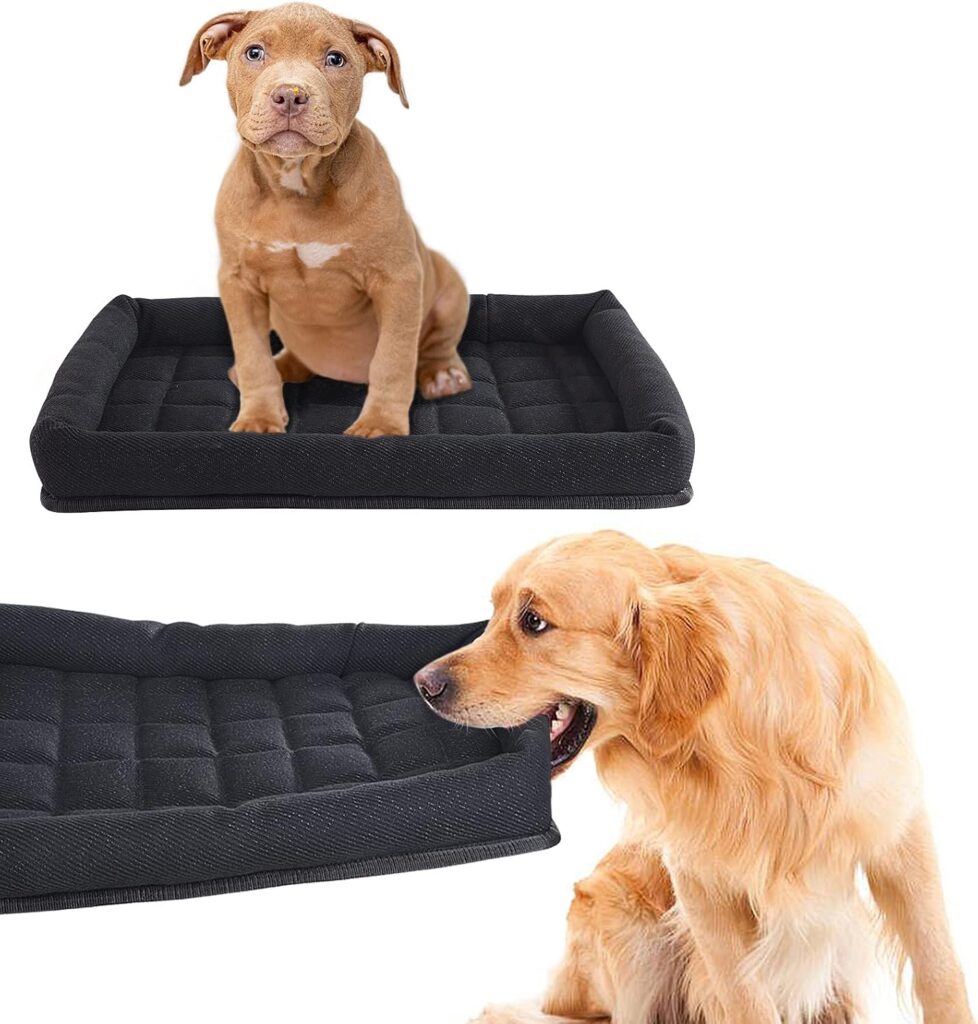
Puppies are wonderful, chaotic, and mouthy. If you have ever brought a teething Labrador or a determined Border Collie home, you know that a standard dog bed is not an investment—it’s a chew toy with a warranty. Before your new family member reduces a plush cushion to a pile of fluff and springs, it pays to understand what actually makes a bed chew-resistant. This guide will help you navigate the market realistically, so you can choose a bed that survives the teething stage.
It is important to be honest upfront: no bed is completely indestructible. A determined chewer with adult teeth can eventually make progress on almost anything. What a good chew-resistant bed offers is delayed destruction—time to train your puppy, redirect the habit, and save your money. We will break down the materials, the designs, and the features that genuinely matter, and we will flag where your own research is needed due to changing product lines.
Why Puppies Chew and What to Look For in a Bed
Chewing is not misbehaviour; it is a developmental stage. Puppies explore the world with their mouths, and between three and six months of age, teething causes significant discomfort. They chew because it feels good, because it relieves pressure, and because the texture of a bed’s corner is just too tempting. Simply buying the toughest fabric you can find won’t solve the underlying itch—but it buys you a window to build positive habits.
When you begin your search for a chew-resistant bed, keep these factors in mind:
- Stage of chewing severity: Is your puppy a casual nibbler or a dedicated destroyer? Observe how long they spend on a toy before it breaks. If they can shred a thick rope toy in five minutes, you need a heavy-duty bed, not a “chew-resistant” throw pillow.
- Fabric weave and weight: Look for tightly woven, dense fabrics like ballistic nylon or Cordura. These are used in military and outdoor gear for a reason. Canvas is also decent, but the cheaper grades can still fray.
- Zipper protection: The zipper is the weak point of many beds. A metal zipper with a locking or recessed slider will last far longer than a cheap plastic one that gets pried open.
- Removeable cover vs. one-piece build: Some beds are designed with a tough outer shell and a separate internal mattress. Others are all-in-one. A one-piece construction removes zipper vulnerabilities but makes cleaning harder. You need to decide your priority.
- Replacement warranty: Many premium brands offer a straight-jacket guarantee—if your dog chews through it in the first few months, they replace it once. This is a good sign, but always read the terms carefully. These warranties often expire after a short period and exclude damage older than a specific date.
One crucial note: details and product designs change frequently. The bed you research today may be discontinued tomorrow. Always check the current product description and recent purchaser reviews on the retailer’s site before committing, rather than relying on year-old blog recommendations.
Materials That Actually Stand Up to Puppy Teeth
Fabric is the first line of defence. Understanding the difference between common marketing terms will help you separate hype from substance.
Ballistic nylon is a high-denier, tightly woven fabric originally designed for vehicle tire cord. It resists abrasion and tearing well, and many heavy-duty pet beds use a 1680-denier version. It is not soft, so the bed usually has a fleece or other layer inside that is not accessible to the chewer.
Cordura is a brand name for a range of technical fabrics that are abrasion-resistant and water-resistant. It is more expensive, but it is effective against most puppy teeth. Cordura is often used in tactical gear and workwear, which says something about its durability.
Canvas and duck cloth are more affordable alternatives. They are natural cotton weaves, so they are not as durable as synthetics over the long term, but they are fine for mild chewers. They also tend to be less waterproof and more prone to mildew if the puppy has an accident.
Rip-stop fabric has a reinforcing grid of threads that prevents small tears from growing. This is useful for mild to moderate chewers, but a determined puppy can still make enough holes to ruin the bed. It buys time, not eternity.
Do not be fooled by the term “chew-proof”—that is marketing. Look for “chew-resistant” and check the specific denier (the higher, the thicker) and weave. Also, be aware that some beds use a soft exterior with a hidden, thicker layer underneath. This can trick you into thinking you have bought a durable bed when, in practice, the exterior fabric is the one being chewed and it is not reinforced.
Finally, consider the filling. The inner padding matters because if the cover survives, the filling must also hold up. Solid foam slabs (like high-density EVA or rebonded recycled foam) are better than loose fibre fill, which is easy to pull out in tufts. Memory foam is comfortable but can be torn if the cover is breached, so it is less ideal for heavy chewers until adult tooth stage.
Types of Chew Resistant Beds: A Practical Comparison
Not all chew-resistant beds are created equal. Below is a breakdown of common types, what they aim to do, and their trade-offs. Remember, product availability and exact specifications change, so use this table as a starting framework, not a definitive ranking.
| Bed Type | Typical Materials | Pros | Cons |
|---|---|---|---|
| Heavy-duty fabric bed | Ballistic nylon, Cordura, rip-stop | Widely available, relatively affordable, machine washable covers | Zippers can be chewed; not truly indestructible |
| Elevated cot bed | Metal frame, woven polypropylene (like outdoor furniture mesh) | Very hard to sink teeth into; good airflow for warm weather; easy to clean | Not as cozy for puppies that like to burrow; hard to place against a wall without pinching |
| One-piece reinforced shell | Seamless molded construction, often with a chew-resistant rim | Minimal weak points; no zippers; often floats (if made of EVA foam) | Bulky; covers are not removable; drying after washing is difficult |
| Borrowing crate trays and mats | Reinforced vinyl, rubber-coated fabric | Durable, inexpensive, replaceable | Not a full-comfort bed; may not provide enough cushioning for older puppies |
The elevated cot bed deserves special mention. Because the sleeping surface is tensioned mesh, a puppy cannot easily get a mouthful of fabric. Many owners with extreme destroyers find this is the only type that lasts longer than a week. However, some puppies that love soft, cave-like beds may initially refuse an elevated cot. A slow transition helps.
Features Beyond Chew Resistance: Safety and Comfort
Chew resistance is not the only concern. A bed that survives your puppy’s teeth but is unsafe or uncomfortable is not a win. Consider these factors before you buy.
Non-toxic and safe materials: When your puppy does manage to pull off a small piece, you do not want them ingesting toxic chemicals. Look for beds made with food-grade or certified non-toxic materials. Check that the dye and the foam do not use heavy metals or flame retardants, which have been linked to health issues in pets.
Ease of cleaning: Puppies have accidents, and a bed will get dirty. A removable cover that unzips is ideal, but if you have chosen a one-piece bed that resists zippers, you need to consider whether it can be hosed down and air-dried. Some beds are machine washable on a gentle cycle; others are only spot-clean. Read the care label online and do not assume.
Edge and corner construction: The corners of a bed are the first place a puppy will bite. Look for reinforced, double-stitched seams and rounded corners, which reduce the chance of a chew starting. A bed with a thick, padded rim can be helpful because it provides a soft edge that is still too thick for small jaws to grip effectively.
Washability vs. longevity: Some chew-resistant materials, like ballistic nylon, are not very absorbent, but they can be wiped down. Others, like corduroy or fleece, hold onto urine smells. Think about whether you can manage weekly washing without destroying the fabric. A bed that takes a size of washing machine drum that you don’t have is a practical problem.
Also, consider the bed’s insulation. A chewer that is also a cold puppy may be miserable on a thin, hard mat. You can place the chew-resistant bed on top of a less durable but warm blanket during supervised nap times, then remove it at night. This gives comfort without exposing the blanket to destruction.
Training Your Puppy to Use a Bed and Protect It
Even the most durable bed will fail if your puppy sees it as entertainment. The bed is a tool; your training is the main factor. You can extend the life of any bed considerably with a few habits.
- Provide a legal alternative: Always have an acceptable chew toy near the bed. When your puppy starts mouthing the bed, calmly redirect them to the toy. Praise them when they take the toy. Consistency is key.
- Use the crate at first: Do not leave a puppy unattended with a bed for the first few weeks. Keep the bed inside a crate for supervised naps, not for overnight freedom. This limits the time they can work on destruction.
- Freeze a wet rope toy: During teething, cold relief is powerful. A frozen rope toy or a frozen washcloth is soothing. This reduces the urge to chew on the bed for pain relief.
- Make the bed less interesting: Spray a bitter apple deterrent (pet-safe) onto the corners of the bed. Reapply daily. These are not 100% effective, but they reduce the appeal for some puppies.
- Positive reinforcement: Reward your puppy for lying on the bed. Use treats and a calm voice. The bed should be a positive, secure space, not a punishment zone.
One practical trick is to flip the bed over when you are not watching. A puppy that is used to chewing the top will first try to sink teeth into the bottom fabric. If the bottom is equally durable, this buys you an extra attempt. Just make sure the bottom is clean and has no loops or tags that invite pulling.
Signs It Is Time to Replace the Bed
You will eventually need to retire a bed, no matter how good it is. The key is to know when it has become unsafe, not just ugly.
Check for ingested material: If you find small fabric pieces in your puppy’s stool, that is a warning sign. A bed that is shedding fabric is not safe to keep. Even if the damage is mostly superficial, those pieces can cause intestinal blockages.
Broken zippers: A zipper that has been pried open, even if it still closes, will eventually fail. A metal zipper tooth can break off and be swallowed. If the zipper is missing teeth, replace the bed.
Foam exposure: If you can see or feel foam through a tear, the bed is compromised. Puppies will quickly widen the hole to pull out the foam, which is both messy and dangerous. Retire it immediately.
Odor retention: If the bed no longer comes clean after washing, or if it develops a permanent urine smell, it is time to replace it. Even a structurally sound bed can harbor bacteria and ammonia.
A general rule: if you cannot wash it and dry it thoroughly within a day, and if there is any exposed filling, it is not worth the risk. Buy a new one.
Final Thoughts: Set Realistic Expectations
No bed is a substitute for supervision and training. The right chew-resistant bed for your puppy will be one that matches their chewing intensity, fits your washing machine, and is free of zippers and corners that are easy to attack. It will last long enough to get you through the teething months—typically until adult teeth come in around six to eight months of age—after which you can invest in a softer, more comfortable bed.
Finally, remember that details change. New materials are introduced, old favourites get cheaper production runs, and a model that had great reviews last year might have a different zipper this year. Spend ten minutes reading recent customer photos and negative reviews on the retailer’s site before you click checkout. A few minutes of research is far cheaper than replacing a bed every week.
Choose wisely, train patiently, and keep your puppy safe from both boredom and ingestion. The right bed will not be the last bed you buy, but it should be the one that survives the sharpest stage of puppyhood.