Bringing a pet into your home is one of life’s great joys, but it also comes with a to-do list. Before your new companion arrives, it helps to know exactly what to buy so you are not scrambling at the last minute. Pet stores and online shops carry thousands of products, yet only a core group of items is truly essential. In this guide, you will find ten practical pet supplies examples that cover the daily needs of most common household pets, along with tips for choosing quality products and adapting the list to your specific animal.
Why the Right Pet Supplies Matter
Good supplies do more than fill a shopping cart. They support your pet’s health, safety, and comfort from day one. The right food keeps energy levels stable and supports long-term wellbeing. A properly fitted collar with an ID tag can be the difference between a lost pet coming home and staying lost. A comfortable bed and a safe crate give your animal a place to rest and decompress, which is especially important during the stressful first days in a new environment.
There is also a practical benefit for you as the owner. When the basics are in place before your pet arrives, routines form faster, accidents and behavioral issues are easier to manage, and you spend less money replacing items that failed or never got used. Preparation is one of the simplest ways to make pet ownership smoother for everyone involved.
10 Pet Supplies Examples Every Owner Should Have
Here are the essentials, roughly in the order you will use them. While some items are species-specific, most appear on every responsible owner’s list in one form or another.
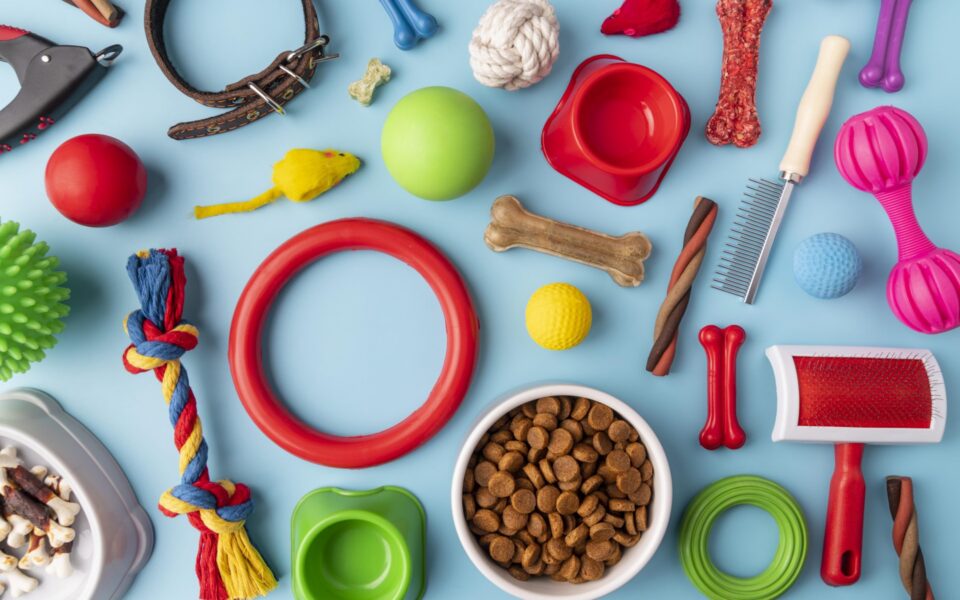
- Species-appropriate food. This is the foundation of pet care. Choose a food formulated for your pet’s species, life stage (puppy, kitten, adult, senior), and any specific dietary needs. If you are unsure where to start, ask your veterinarian for a recommendation rather than relying on packaging claims alone.
- Food and water bowls. Stainless steel and ceramic bowls are durable, easy to clean, and less likely to harbor bacteria than scratched plastic. For dogs with long ears or flat-faced breeds, shallow or elevated bowls can make eating more comfortable. Keep fresh water available at all times.
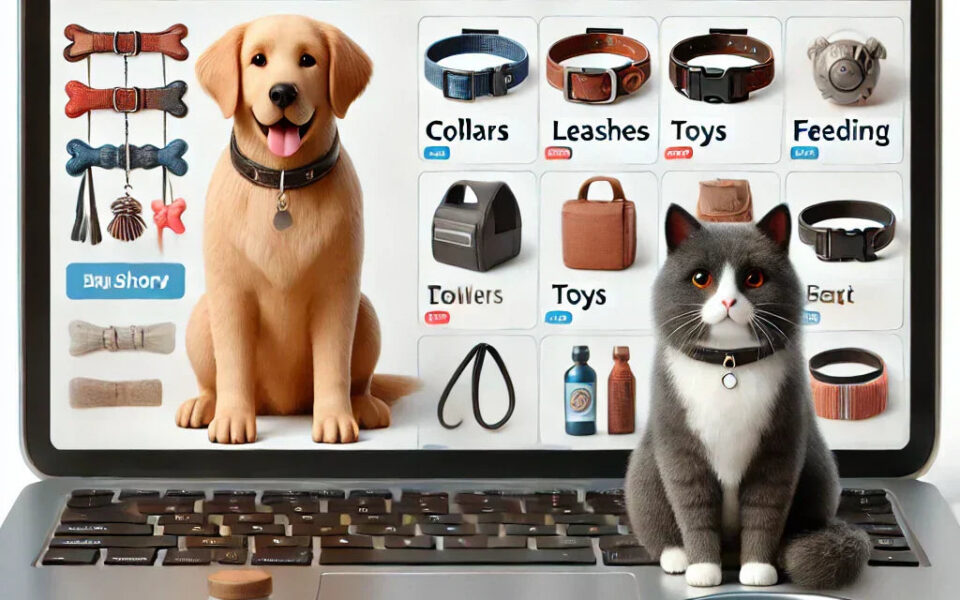
- Collar, harness, leash, and ID tags. For dogs, a flat collar with an identification tag and a sturdy leash are non-negotiable. Many owners also use a harness for walks, since it reduces strain on the neck. Cats that go outdoors should wear a breakaway collar with a tag, and any pet that travels should have identification as a backup to a microchip.
- A bed and bedding. Every pet needs a designated place to sleep. Dogs and cats do well with a washable bed sized to their full stretched-out length. Small animals such as rabbits, guinea pigs, and hamsters need safe, absorbent bedding material inside their enclosure.
- A crate or carrier. For dogs, a crate serves as a house-training aid, a safe retreat, and a secure way to travel. Cats and small pets need a carrier for vet visits and emergencies. Look for sturdy construction, good ventilation, and a latch your clever pet cannot defeat.
- Grooming supplies. Brushes and combs matched to your pet’s coat type, nail clippers, and pet-safe shampoo form the basic grooming kit. Regular brushing reduces shedding, prevents painful mats, and doubles as a health check, since you will notice lumps, ticks, or skin changes early.
- Waste management tools. Cat owners need a litter box, litter, and a scoop, generally one box per cat plus one extra. Dog owners need waste bags for walks and a plan for the yard. Small-pet owners need bedding that can be spot-cleaned and changed regularly.
- Toys and enrichment items. Mental stimulation prevents boredom and the destructive behavior that often follows it. Chew toys for dogs, scratching posts and wand toys for cats, tunnels and chew sticks for small mammals, and foraging toys for birds all serve the same purpose: keeping your pet engaged.
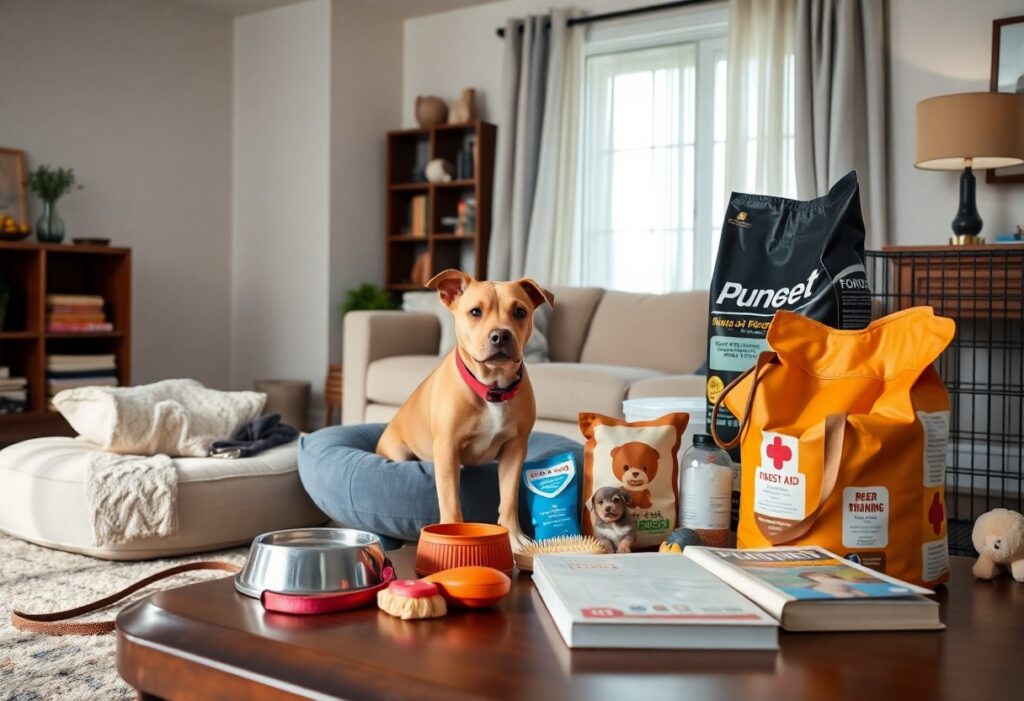
- Basic health and first aid items. Keep a small kit with gauze, pet-safe antiseptic, tweezers, and any medications your pet takes. A pet first aid guide is useful for emergencies, and storing your veterinarian’s and the nearest emergency clinic’s numbers where you can find them quickly is just as important as anything in the kit.
- Cleaning supplies. Accidents happen. An enzymatic cleaner designed for pet messes removes odors far better than standard household products, which helps prevent repeat accidents in the same spot. Disposable gloves, paper towels, and a small carpet cleaner round out the practical owner’s toolkit.
Quick Reference: Extra Supplies by Pet Type
The ten items above form the universal core, but each type of pet needs a few additions. The table below summarizes the most common extras.
| Pet Type | Key Extras to Add |
|---|---|
| Dogs | Training treats, poop bags, a seatbelt harness or travel crate, dental chews, puzzle feeders |
| Cats | Litter box and litter, scratching posts, cat tree or perches, wand toys, a calming bed or hideaway |
| Small mammals (rabbits, guinea pigs, hamsters) | A properly sized enclosure, hideouts, hay and a hay feeder, chew-safe toys, a small-animal exercise pen or wheel |
| Birds | A spacious cage, perches of varying textures, foraging toys, cage liners, a bath or mister |
| Fish | An appropriately sized aquarium, filter, heater (for tropical species), water conditioner, test kit, nets, and appropriate food |
When in doubt about an enclosure size or habitat requirement, check guidance from reputable animal welfare organizations or ask an exotics-savvy veterinarian. Many popular small pets, such as rabbits and parrots, live far longer and healthier lives when their space and diet needs are taken seriously from the start.
How to Choose Quality Pet Supplies
With the list in hand, the next challenge is picking good versions of each item. These principles will steer you well:
- Match the item to your specific pet. A toy marketed for “pets” may be unsafe for yours. Size matters with collars, crates, and beds, and material matters with anything your pet will chew.
- Prioritize safety over novelty. Avoid toys with small parts that can be swallowed, strings that can cause intestinal blockages if eaten, and treat products with ingredients known to be toxic to your species, such as xylitol for dogs or certain essential oils for cats.
- Read labels carefully. For food, look for a statement that the product is formulated to meet established nutrient profiles for your pet’s life stage. For grooming products, confirm they are safe for your species — dog shampoo, for example, can be harmful to cats.
- Check reviews for durability, not just ratings. A harness with hundreds of reviews mentioning frayed stitching after a month is telling you something a star rating alone may not.
- Buy the basics new where hygiene matters. Secondhand cages, carriers, and bowls can be fine if they can be fully disinfected, but mattresses, plush beds, and opened food or chews are best purchased new.
You do not need to buy everything at once or at premium prices. Start with the essentials, observe how your pet uses them, and upgrade where it genuinely improves daily life — often that means a better-fitting harness, a more appealing litter, or a tougher chew toy rather than the most expensive option on the shelf.
Building Your Pet Supply Budget
It is easy to underestimate the ongoing nature of pet supplies. Food, litter, and waste bags are recurring costs, while items like beds, bowls, and brushes are mostly one-time purchases that occasionally need replacing. A simple way to budget is to separate your list into three buckets:
Suggested read: How to Choose the Best Pet Accessories Shop for Your Furry Friend
- Setup costs: the one-time essentials such as a crate, carrier, litter box, bowls, and initial grooming tools.
- Recurring costs: food, litter, bedding, waste bags, and replacement chew toys or scratching surfaces.
- Occasional costs: seasonal items like cooling mats or winter gear, replacements for worn items, and upgrades as your pet grows or ages.
Keeping a small reserve for unexpected needs — a substitute food during a shortage, a replacement carrier after an escape attempt, or extra cleaning supplies during house training — prevents small surprises from becoming stressful ones.
Frequently Asked Questions
What should I buy before bringing a pet home?
Have food, bowls, a bed, a crate or carrier, identification, species-appropriate waste management (litter box or waste bags), and a few basic toys ready before day one. Everything else can be added over the first few weeks as you learn your pet’s preferences.
Are expensive pet supplies always better?
No. Price often reflects branding, materials, or features your pet may never use. Judge each item on fit, safety, and durability for your specific animal. A mid-priced, well-reviewed item that suits your pet beats a premium product that does not.
How often should I replace pet supplies?
Replace items when they show wear that could cause harm: frayed leashes, cracked bowls, torn toys with exposed stuffing, or flattened bedding. Food and treats should be replaced by their expiration dates, and opened food stored in airtight containers stays fresh longer.
Final Thoughts
These ten pet supplies examples — food, bowls, identification and walking gear, a bed, a crate or carrier, grooming tools, waste management items, toys, first aid basics, and cleaning supplies — cover the real, everyday needs of nearly every pet. Add the species-specific extras, choose items with safety and durability in mind, and budget with recurring costs in view. With the essentials sorted before your pet walks through the door, you can spend your energy where it matters most: building a happy, healthy life together.