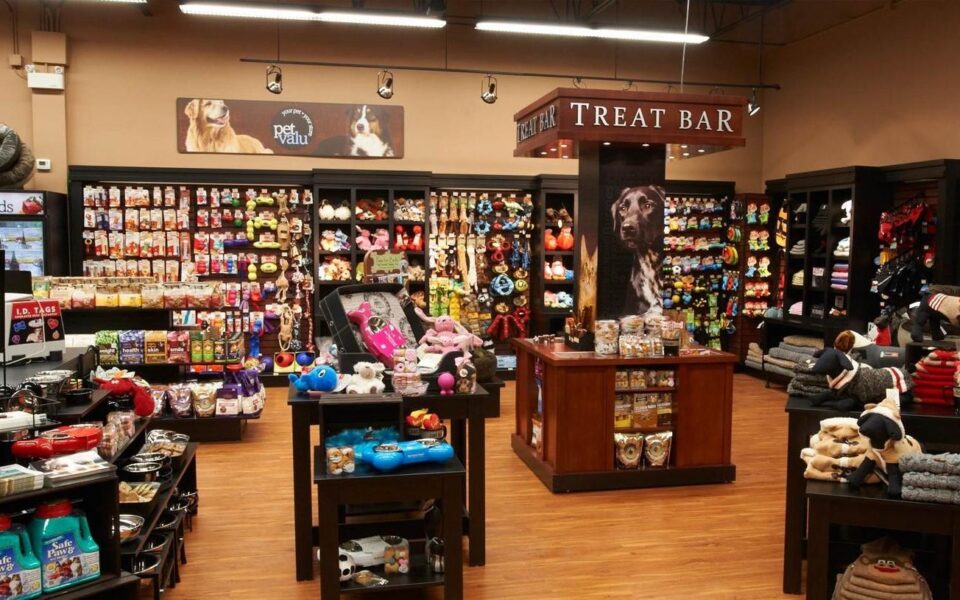
Walk into any pet shop today and you’ll find shelves packed with collars, beds, bowls, toys, grooming tools, and gadgets you never knew existed. While it’s easy to feel overwhelmed, the right accessories genuinely improve your pet’s comfort, safety, and day-to-day happiness.
This guide walks through the best pet shop accessories for sale right now, organized by pet type, so you can shop with confidence and skip the items that will only gather dust.
Why the Right Accessories Matter
Accessories are more than cute extras. A well-fitted harness can protect a dog’s neck and throat during walks. A scratching post can save your sofa while giving your cat a healthy outlet for natural instincts. A slow-feeder bowl can help a fast eater digest more comfortably. In short, the products you bring home shape your pet’s routine, enrichment, and even long-term health.
At the same time, not every item on the shelf deserves a spot in your cart. Some accessories are poorly made, sized incorrectly for common breeds, or designed more for photos than for actual use. Knowing which categories matter most—and what to look for within each one—helps you spend your budget where it counts.
Top Dog Accessories Worth Buying
Dogs tend to need the widest range of gear, especially if you’re starting from scratch with a new puppy or a recently adopted adult. These are the categories most worth your attention:
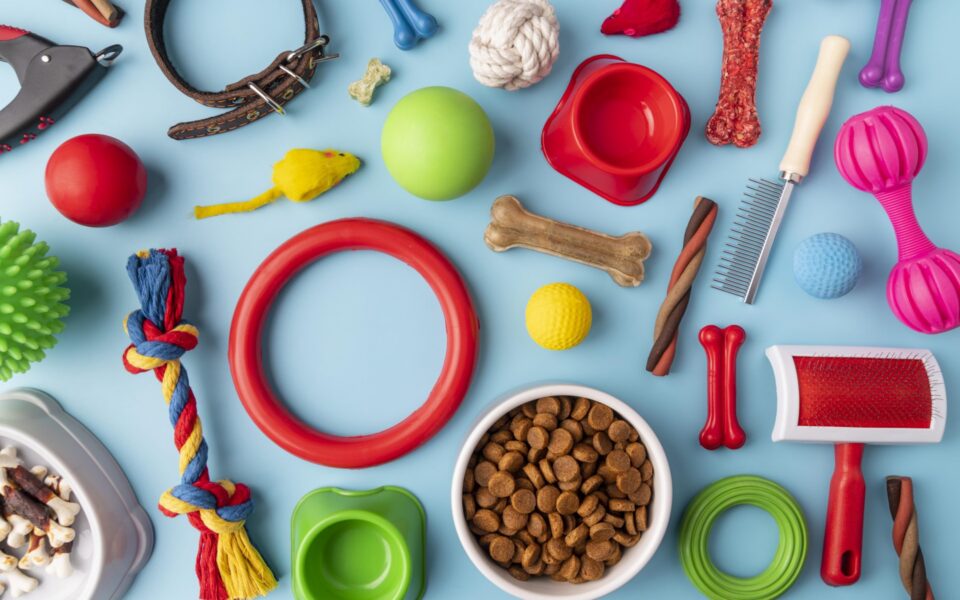
- Collar and ID tag: A flat, comfortable collar with an up-to-date ID tag is the single most important item your dog will wear. Check the fit regularly—you should be able to slip two fingers comfortably between the collar and your dog’s neck.
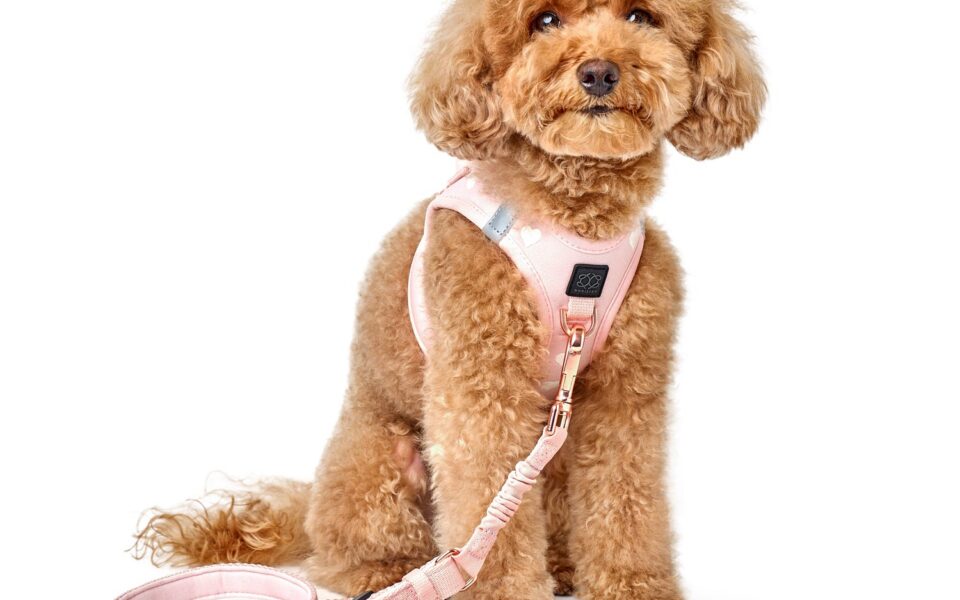
- Harness: A Y-front or step-in harness distributes pressure across the chest rather than the throat, which is especially helpful for small breeds, flat-faced breeds, and enthusiastic pullers.
- Leash: A sturdy standard leash of four to six feet is ideal for everyday walks and training. Retractable leashes have their place in open areas, but they offer less control in busy environments.
- Bed: Look for a bed sized to your dog’s full stretch, with a removable, washable cover. Older dogs often benefit from orthopedic foam options.
- Food and water bowls: Stainless steel or ceramic bowls are durable and easy to clean. Elevated feeders can suit large or senior dogs, while slow-feeder designs help dogs who inhale their meals.
- Chew toys and enrichment items: Durable rubber toys, puzzle feeders, and stuffed Kongs-style toys provide mental stimulation and an appropriate outlet for chewing.
- Grooming basics: A brush suited to your dog’s coat type, dog-safe nail clippers or a grinder, and gentle shampoo cover most at-home grooming needs.
If you’re stocking up for a new dog, prioritize the collar, ID tag, leash, and bowls first, then build out toys and grooming supplies over time.
Must-Have Accessories for Cats
Cats are often marketed to with an endless parade of novelty toys, but their essential gear list is surprisingly short and practical:
- Breakaway collar: If your cat wears a collar at all, choose one with a breakaway buckle designed to release if it snags on something.
- Scratching posts and pads: Offer at least one sturdy, tall scratching surface per cat. Sisal rope and cardboard are popular textures; stability matters more than appearance.
- Litter box and scoop: A box that’s easy to enter and large enough for your cat to turn around in, plus a scoop you’ll actually use daily. Covered boxes trap odor for humans but some cats dislike them, so watch your cat’s preferences.
- Food and water stations: Wide, shallow bowls prevent whisker fatigue, and many cats drink more readily from a cat fountain than a still bowl.
- Climbing and perching furniture: A cat tree or wall shelves give your cat vertical territory, which reduces stress in multi-cat homes.
- Interactive toys: Wand toys, laser pointers (used with a physical “catch” at the end), and small plush mice encourage healthy hunting play.
- Secure carrier: A hard-sided or well-structured soft carrier with good ventilation makes vet visits far less stressful for everyone.
Rotating a few toys in and out of circulation keeps play fresh without constantly buying new items.
Essentials for Small Pets, Birds, and Fish
Smaller companions have their own must-have lists, and the details matter just as much:
Suggested read: How to Choose the Best Pet Accessories Shop for Your Furry Friend
- Rabbits and guinea pigs: Spacious enclosures, hay feeders, hideaways, chew-safe toys, and heavy ceramic bowls that can’t be tipped. Exercise pens and tunnels support daily activity outside the main habitat.
- Hamsters and other small rodents: Deep bedding for burrowing, a solid-surface wheel sized appropriately for the species, hideouts, and chew items that keep continuously growing teeth worn down. Avoid wire wheels, which can injure tiny feet.
- Birds: A roomy cage, varied natural perches of different diameters, foraging toys, and food and water dishes placed away from drafts. Swings, ladders, and shreddable toys prevent boredom between out-of-cage time.
- Fish keepers: Focus on water quality above all—an appropriately sized filter, a heater for tropical species, a thermometer, a water conditioner, a gravel vacuum, and a quality test kit. Decorations should be smooth and aquarium-safe, with no sharp edges that could tear delicate fins.
Quick-Reference Guide: Matching Accessories to Your Pet
If you’re short on time, this table summarizes the highest-value accessories for each type of pet and the key feature to check before buying:
| Pet | Top-Priority Accessories | Key Feature to Check |
|---|---|---|
| Dog | Collar, ID tag, harness, leash, bed, bowls, chew toys | Correct sizing and adjustable fit |
| Cat | Breakaway collar, scratching post, litter box, carrier, wand toys | Stability and sturdy construction |
| Rabbit / Guinea pig | Spacious enclosure, hay feeder, hideout, chew toys | Non-toxic, chew-safe materials |
| Hamster / Small rodent | Deep bedding, solid wheel, hideout, chew items | Appropriate size for the species |
| Bird | Roomy cage, varied perches, foraging toys | Bird-safe materials and bar spacing |
| Fish | Filter, heater (for tropical species), test kit, water conditioner | Tank size matched to the species’ adult size |
How to Spot Quality Pet Shop Accessories for Sale
With so many pet shop accessories for sale—both in physical stores and online—quality varies widely. Before you buy, run any item through this quick checklist:
- Materials: Look for food-grade stainless steel, natural rubber, untreated wood, and durable fabrics. Avoid items with small parts that can be swallowed, loose threads, or strong chemical odors.
- Size accuracy: Measure your pet before shopping—collar length, harness girth, bed dimensions, and crate height all matter more than the size label alone.
- Safety features: Breakaway buckles for cats, quick-release fastenings, non-slip bases on bowls, and smooth, splinter-free surfaces for small pets.
- Cleanability: Anything that touches food, water, or waste should be easy to wash. Removable, machine-washable covers are a major plus for beds.
- Reviews and return policies: Read recent buyer feedback for sizing and durability notes, and favor retailers with reasonable exchange policies in case the fit isn’t right.
- Your pet’s actual habits: A heavy chewer needs tougher toys than the average dog; a timid cat may ignore a busy cat tree placed in a high-traffic room. Buy for the pet you have.
Skipping this step is how drawers full of untouched toys and ill-fitting gear happen. A few minutes of checking saves money and frustration later.
Where to Buy Pet Shop Accessories: Local Shops vs. Online
Both local pet shops and online retailers have real advantages, and many pet owners get the best results by using each for what it does best:
- Local pet shops: Personalized advice, the chance to see and feel products before buying, and unique items you won’t find elsewhere.
- Larger retailers and online stores: Better prices and wider selection for routine supplies.
- A hybrid approach: Browse locally for new or unfamiliar products, then reorder the winners online.
How to Save Money on Pet Shop Accessories
Timing and strategy can stretch your pet budget considerably. These habits make the biggest difference:
- Shop with a list: Write down true necessities before browsing. Pet shops are masterfully arranged to encourage impulse purchases—especially near the registers, where treats and novelty toys live.
- Time big purchases around sales: Seasonal sales, often around holidays and during major shopping events, frequently discount beds, carriers, and other larger items.
- Buy consumables in bulk—selectively: Food, litter, and chews usually cost less per unit in larger quantities, but only stock up on items your pet has already tried and tolerated.
What to Buy Secondhand—and What to Always Buy New
Don’t overlook secondhand options for certain categories when shopping for pet gear:
- Often fine to buy used: Stainless steel bowls, exercise pens, and sturdy carriers can often be found gently used at a fraction of retail price—just sanitize thoroughly.
- Always buy new: Items like collars, beds, and chews.
Final Thoughts
The best pet shop accessories for sale are the ones that fit your pet’s size, species, and personality—and that you’ll actually use every week. Prioritize safety and comfort items first: identification, secure carriers, proper enclosures, and well-fitted walking gear.
Then layer in enrichment, grooming, and comfort upgrades over time. With a clear list, a quick quality check, and an eye on sales, you can outfit your furry, feathered, or finned family member with gear that lasts—and enjoy the shopping process along the way.