Best Chew Toys for Large Breed Dogs: Durable Picks for Power Chewers
If you share your home with a large breed dog, you know that shopping for chew toys is not a casual purchase. It is a strategic decision involving safety, durability, and your furniture’s survival. Large breeds, from Labradors to German Shepherds and Mastiffs, possess powerful jaw muscles capable of destroying most “indestructible” toys in minutes. Finding the right chew toy requires understanding the difference between toys marketed for aggressive chewers and those that actually hold up to the force of a big dog’s bite.
This guide breaks down the specific needs of large power chewers, explains the materials that work best, and provides a practical framework for choosing toys that are safe and long-lasting. We will also address crucial safety practices, as no toy is truly indestructible, and supervision is always key to preventing accidents.
Why Large Breeds Need Specialized Chew Toys
Large breed dogs are not just small dogs with bigger bodies; their bite force is exponentially higher. This is an important distinction when selecting toys. A toy designed for a 20-pound terrier will not withstand the pressure of a 90-pound Labrador’s jaw. The primary reasons large breeds need heavier-duty toys are safety and behavioral enrichment.
Safety is the most critical factor. If a toy is too soft or thin, a large dog can easily break off and swallow chunks, leading to choking hazards or intestinal blockages. On the other hand, toys that are too hard (like some antlers or hard plastics) can cause tooth fractures, cracked molars, or damage to the gums. The “Goldilocks” zone for a power chewer is a toy that has a slight “give” under pressure but is dense enough that teeth can’t sink in deeply.
Chewing is also a natural stress-reliever and mental workout for dogs. For high-energy large breeds, a good chew toy provides an outlet for anxiety and boredom. Without appropriate chew items, those powerful jaws will find their own entertainment—which often involves your baseboards, remote controls, or that expensive pair of shoes. Providing a purpose-built “job” for their mouth is essential for a well-adjusted, well-behaved large dog.
Key Materials and Shapes to Look For
Understanding the physics of the material is essential before making a purchase. Not all rubber is created equal, and nylon comes in varying grades. Here are the most reliable materials for large breed power chewers.
High-Density Natural Rubber
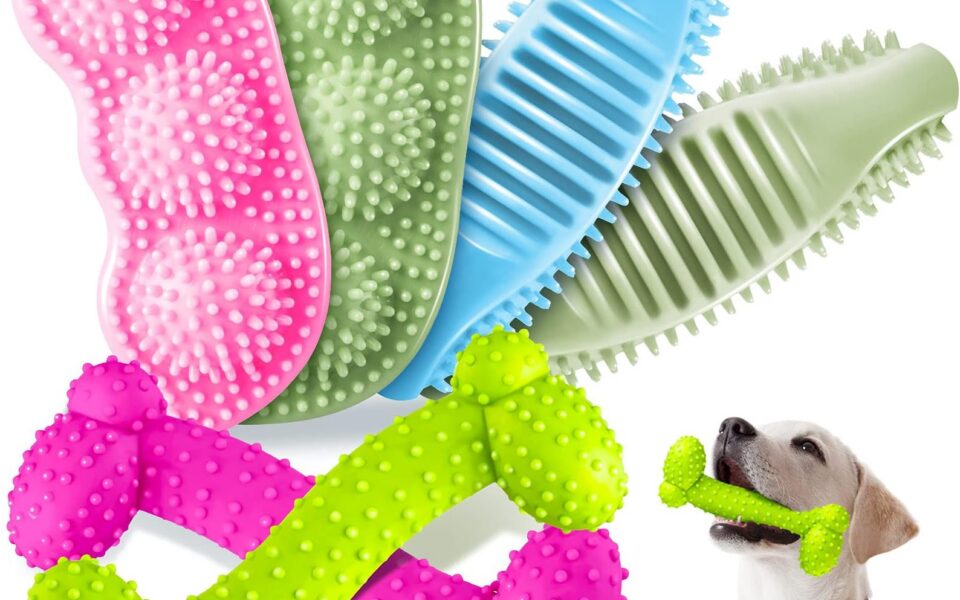
This is the gold standard for power chewers. High-quality natural rubber is durable, flexible, and has enough “bounce” to be gentle on teeth. It should be solid and heavy. Brands like Kong are famous for their proprietary rubber blends that are designed to withstand gnawing. The best rubber toys allow for a slight indentation when pressed with a thumbnail but return to shape quickly.
Nylon and Polymer Blends
Nylon bones are extremely tough and are excellent for aggressive, non-food-motivated chewers. They are designed to have a slight “flavor” infused into them to keep dogs interested. As the dog chews, the nylon is abraded down to tiny, bristle-like pieces that are generally indigestible and pass through the system (though you should always check for large chunks). Look for “polymer” or “thermoplastic” blends, as these are often shock-absorbent.
Natural Chews for High Engagement
For dogs that love to chew but need an edible option, large yak milk chews and beef cheek rolls are popular alternatives. However, these are not “durable” in the sense of lasting weeks. They are long-lasting (hours to days) but will eventually be consumed. When choosing these, ensure the size is large enough that the dog cannot swallow it whole. Once the chew gets small enough to fit entirely in the dog’s mouth, it is time to take it away.
Suggested read: Best Dog Toys for Teething Puppies: Chew-Proof Picks
What to Avoid: Stay away from cooked bones or any hard plastic that cannot be bent. If you cannot make a small indentation in the toy with your thumbnail, it is likely too hard for a dog’s teeth.
Picking the Right Toy: A Practical Comparison Table
To help you navigate the market, it helps to categorize toys by their function and material. The following table outlines popular types of durable toys suitable for large breeds. Please note that product availability and specific color variations change frequently; always check the manufacturer’s specifications for the current size and hardness rating.
| Toy Type | Primary Material | Best For | Things to Note |
|---|---|---|---|
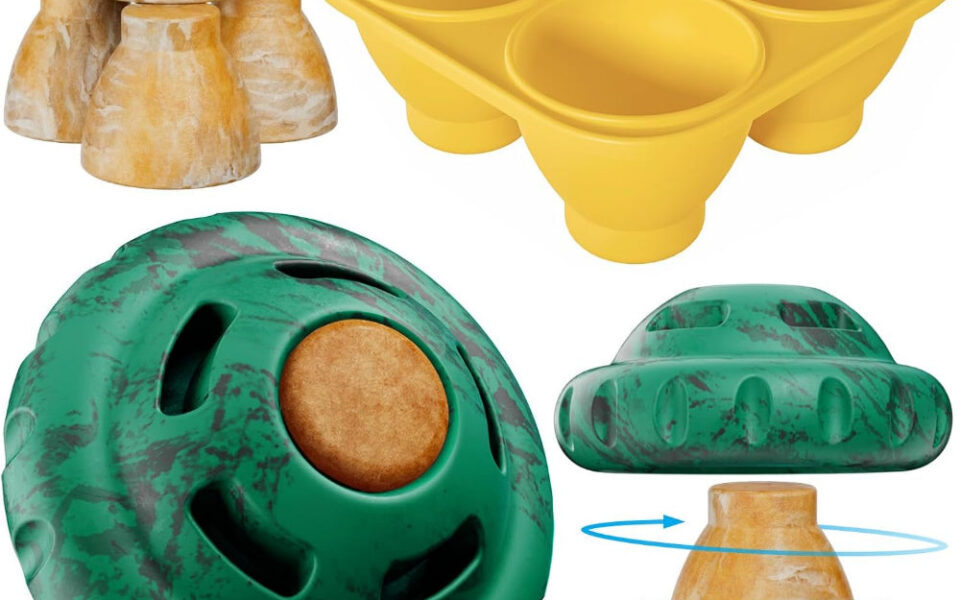
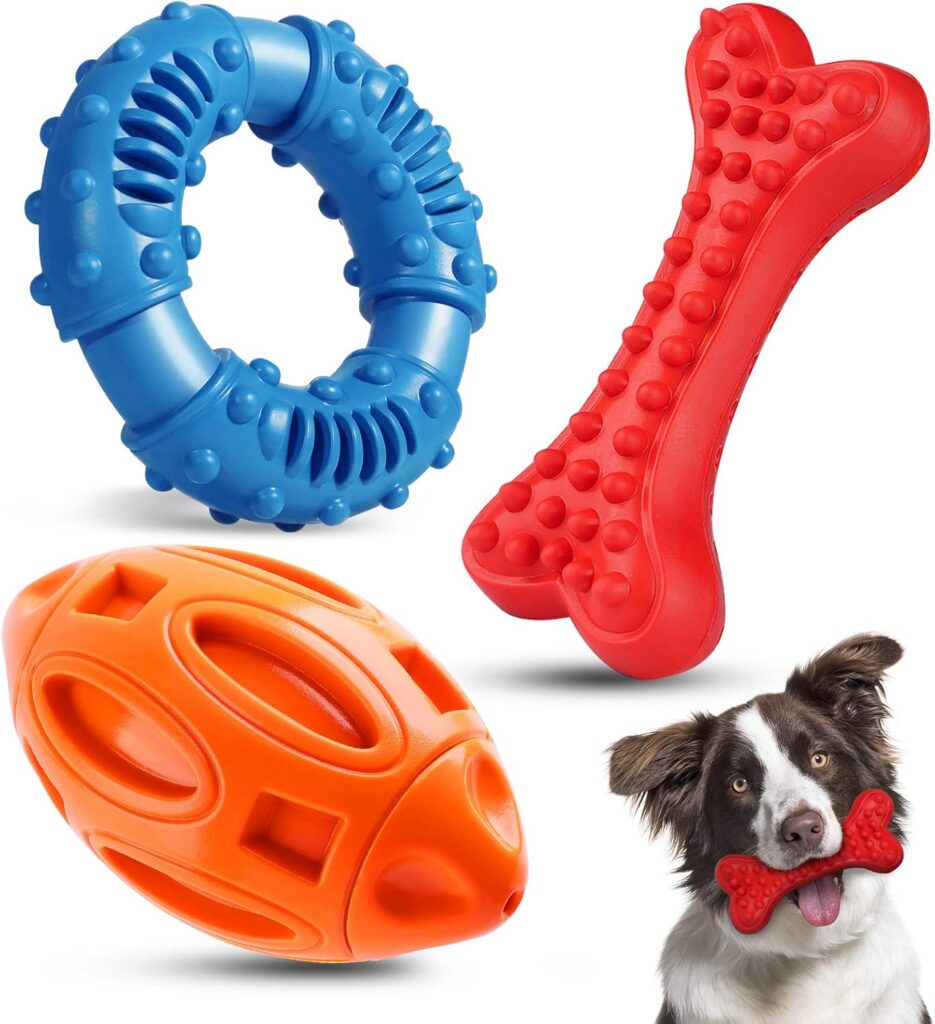
| Rubber “Puzzle” Balls (e.g., Kong Classic) | High-density natural rubber | All-purpose chewing, stuffing with treats | Excellent for all ages; inspect for cracks over time. |
| Nylon Chew Bones | Nylon/Plastic composite | Vigorous, constant gnawing | Monitor for sharp edges as they wear down. |
| Ring/Donut Shapes | Hard thermoplastic rubber | Fetch and tug-of-war (gentle) | Easier for dogs to pick up than balls; check for splintering. |
| Yak Milk Chews | Compressed cheese/milk | Edible, long-lasting enrichment | Replace when under 2-3 inches to prevent swallowing. |
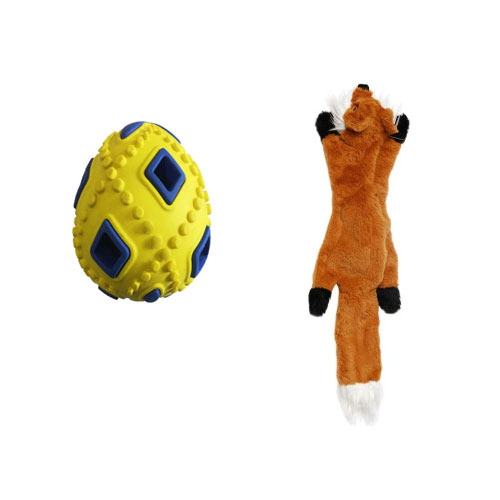
| Stuffed Plush with “Armor” | Canvas/Cord with rubber core | Playful dogs that lack self-control with soft toys | Not for “power chewers” that aim to destuff. |
Sizing is Non-Negotiable
Always select the “Large” or “Extra Large” size, even if it seems comically big. A large rubber ball that is slightly too big to fit in the mouth forces the dog to use the side of their mouth (molars) safely, which is the correct way to chew a rubber toy. If they can fit the entire toy in their jaws, they can compress it and potentially break it apart. When in doubt, size up. It is better to have a toy that is too big than one that is a choking hazard.
Safety, Rotation, and Knowing When to Retire a Toy
Even the “best” chew toys have a lifespan. Your job as the owner is to play the role of quality control inspector. A durable toy can become dangerous if you don’t check it regularly.
First, inspect toys before giving them to your dog and after they finish a heavy chewing session. Look for any signs of significant damage. For rubber toys, you are checking for deep cracks or pieces that have been chewed off the top. A cracked rubber toy can be split into sharp pieces. For nylon bones, you are checking for sharp, jagged edges that can cut the gums. You can sand down minor rough spots, but if the toy is structurally compromised, throw it away.
Second, implement a rotation system. Dogs get bored. If you leave a “puzzle” rubber toy out all the time, the novelty fades. Rotating between two or three different types of toys—one rubber, one nylon—keeps the item interesting. This is more for the dog’s mental benefit than safety, but it also prevents them from trying to “destroy” the toy out of boredom.
Third, establish a “no-toy-left-alone” rule for the first hour. While you should never leave a dog unsupervised with a chew toy for hours on end, the first 15-20 minutes is crucial. This is when most aggressive chewers make their first attack. Watch how they bite. Do they try to swallow large pieces? Do they chip at the edges? Your observation will tell you if the toy is suitable for longer durations.
Practical Tips for Extending the Life of Chew Toys
You can get more value (and save money) with a few simple habits:
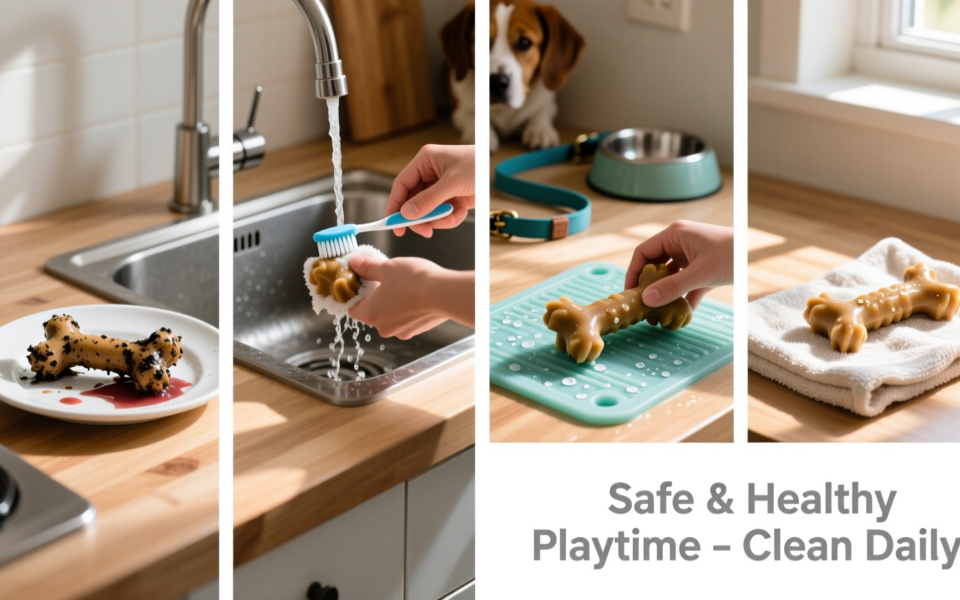
- Dishwasher Safe: Many high-quality rubber toys are dishwasher safe on the top rack. Cleaning them removes saliva and debris, making the toy more appealing and hygienic. Avoid boiling rubber toys, as this can degrade the material’s integrity.
- Stuffing Strategy: If you use a hollow rubber toy (like a Kong), freeze the stuffing. Mix kibble or wet food with water or peanut butter (xylitol-free only!) and freeze it. The frozen core is harder to get out, providing—not an “indestructible”—but a “time-destroying” puzzle that engages the dog much longer.
- Match the Toy to the Dog’s Mood: For a dog that is chewing because they are excited (like when you come home), a tough nylon bone is best. For a dog that is chewing to calm down, a frozen, stuffed rubber toy is better. Matching the toy to the emotional state increases the chance of appropriate chewing.
- Keep it fun: Don’t just hand the toy over. Play a quick game of tug with it first or roll it across the floor. Making the toy interactive increases its value in the dog’s eyes.
Providing the right chew toys for a large breed is a non-negotiable part of responsible ownership. It protects your dog’s teeth, your home, and their mental health. By focusing on materials like high-density rubber and nylon, prioritizing size over shape, and staying vigilant about wear and tear, you can find durable picks that satisfy even the most powerful chewers. Remember, however, that dog toy technology is always evolving; new materials and designs appear regularly, so keep an eye out for veterinary recommendations and product updates from trusted brands.
Always prioritize your dog’s safety. If you ever suspect a toy is causing dental issues or stomach problems, consult your veterinarian immediately. They remain your best resource for advice specific to your dog’s breed and chewing style.
Suggested read: Plush Dog Toys vs Rubber Chew Toys: Which Is Right for Your Pup?