Bringing a new puppy home is a joy, but the teething phase—which typically begins around 3 to 6 months of age—can test your patience and your sofa legs. Puppies explore the world with their mouths, and when their baby teeth give way to adult ones, the urge to chew becomes nearly constant. While you cannot stop the process, you can redirect it with the right tools. This guide focuses on the best dog toys for teething puppies, specifically those marketed as “chew-proof” and durable enough to survive a determined young chewer. We’ll break down what actually works, what to avoid, and how to make an informed choice without falling for gimmicks.
Why Teething Puppies Need Specialized Toys
Teething is painful. As the 28 baby teeth are pushed out by 42 adult teeth, puppies experience swollen gums, increased drooling, and a neurochemical craving to bite down on something—anything—firm yet slightly forgiving. Regular adult dog toys, tennis balls, or soft plush toys are simply not designed for this pressure. A puppy can shred a plush duck in minutes, swallowing stuffing that may require a vet visit. On the opposite end, toys that are too hard—like antlers, bones, or hard nylon—can cause fractured teeth, especially in a young dog with developing jaw strength.
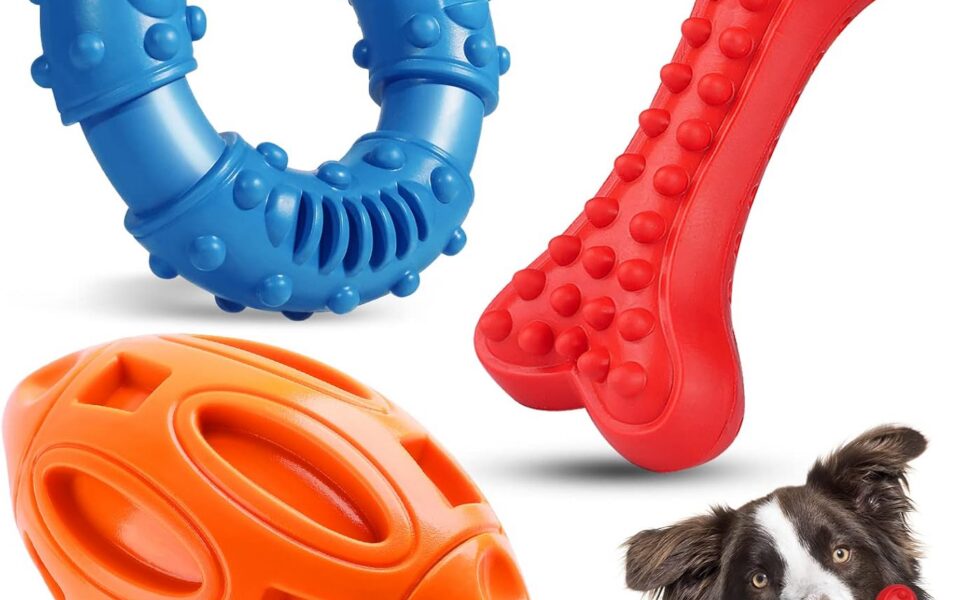
Specialized teething toys are engineered with a specific durometer (hardness) that allows teeth to sink in just enough to provide relief without damaging enamel. They also often incorporate textures, bumps, or ridges that massage the gums and help dislodge loose baby teeth. The “chew-proof” label, however, is a marketing term—no toy is truly indestructible. A determined power chewer can eventually destroy almost anything. What the best teething toys offer is resistance—a longer lifespan than ordinary toys, giving your puppy a satisfying outlet while protecting your furniture.
What Makes a Toy Safe and Chew-Proof? Key Features to Look For
Before we list specific product types, you need to understand the criteria that separate a genuinely useful teething toy from a dangerous or wasteful one. Keep these factors in mind when shopping:
- Material flexibility: The toy should bend slightly when pressed. A good rubber toy will flex under moderate pressure, then spring back. If it feels rigid and unbending, it’s too hard for puppy teeth.
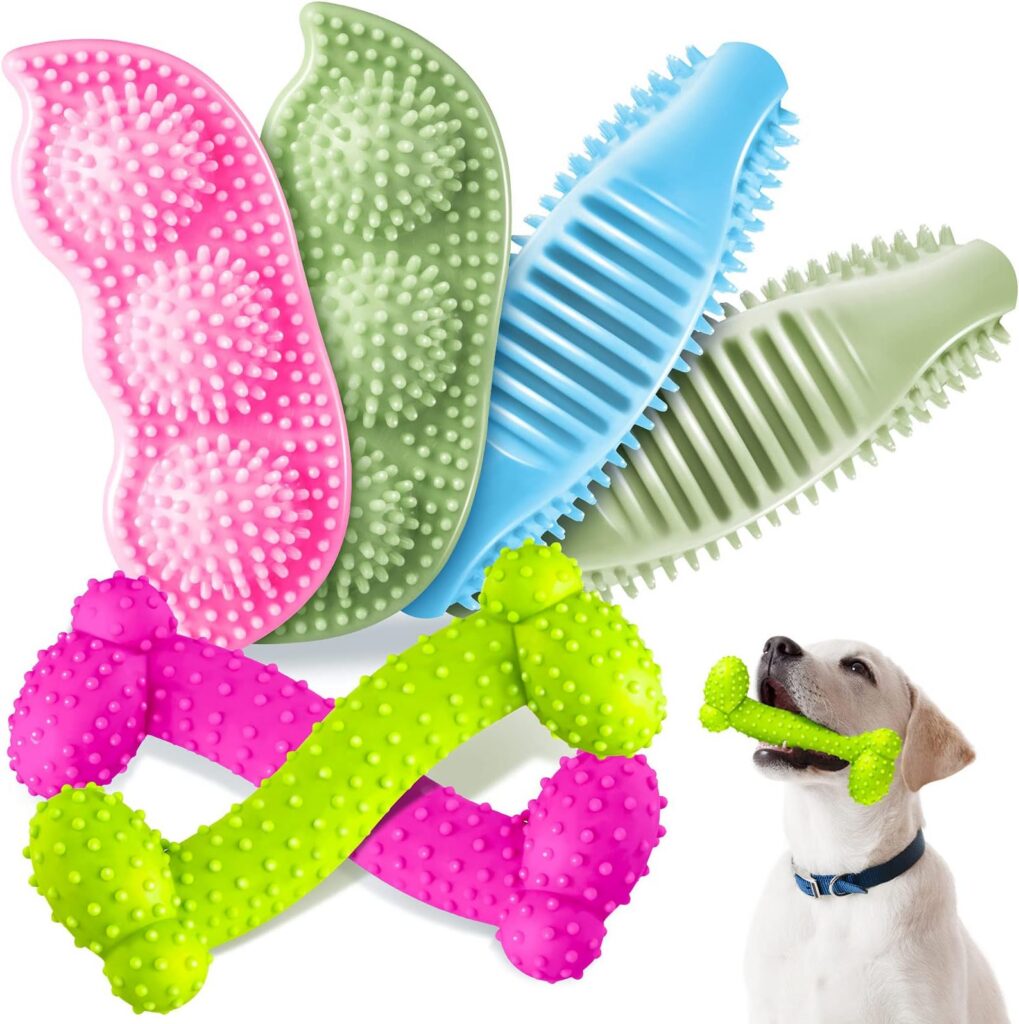
- Texture variety: Look for nubs, ridges, or bristles that can clean teeth and massage gums. Smooth surfaces are less effective at soothing irritation.
- Size and shape: The toy should be larger than the puppy’s mouth to prevent accidental swallowing, but small enough to be gettable. For example, a toy that is too large can frustrate a small puppy, while a too-small toy is a choking hazard.
- No small parts: Avoid toys with glued-on eyes, ribbons, or removes squeakers. These are common failure points and ingestion risks.
- Material safety: Look for non-toxic, FDA-approved food-grade rubber or silicone. Some cheaper toys contain phthalates or BPA. Always check the packaging for “non-toxic” or “BPA-free” claims. If the material has a strong chemical smell, put it back.
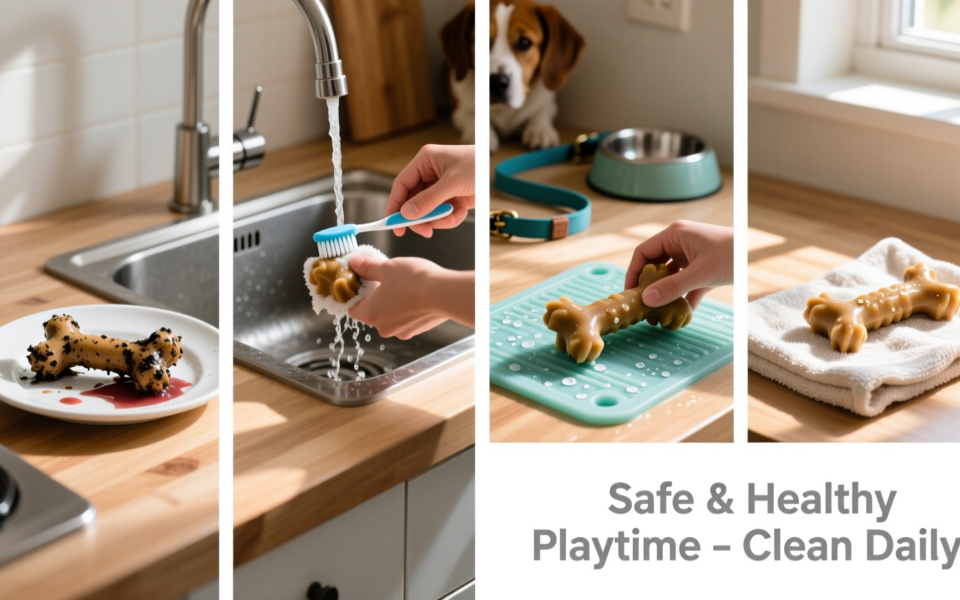
- Washability: Puppy mouths harbor bacteria. The toy should be dishwasher-safe (top rack) or easy to hand-wash with mild soap.
Regarding “chew-proof” specifically, note that no material is universally indestructible. Some puppies are gentle, while others seem to have titanium jaws. The term usually refers to heavy-duty rubber compounds that resist puncturing and tearing. However, even the best toy can be defeated if the puppy learns to focus on one weak point. This is why supervision during new toy introductions is always recommended.
Top Types of Teething Toys: A Practical Comparison Table
Not all teething toys are created equal. Below is a table comparing the most common categories you’ll encounter, along with their typical pros, cons, and suitability for different chew intensities. Remember that product availability and specific formulations may change, so always read the current manufacturer’s specifications.
| Type | Example Materials | Pros | Cons | Best For |
|---|---|---|---|---|
| Classic rubber chew toys | Natural rubber, thermoplastics | Flexible, durable, often have nubs; many are dishwasher-safe. | Some have a strong rubber smell; can still be torn by aggressive chewers. | Most puppies, from light to moderate chewers. |
| Cooling/freezer toys | Rubber or silicone with a water-filled core | Cold numbs gums and reduces inflammation; long chew sessions. | Must be frozen ahead of time; some leak after rough use; may be too cold for very sensitive mouths (always wrap in a thin towel first). | Puppies in intense teething pain. |
| Nylon or hard plastic chews | Dense nylon polymers, sometimes flavored | Very long-lasting; helps scrape plaque; great for heavy chewers. | Too hard for some puppies; can cause tooth fractures if used too early; no give. Avoid for puppies under 6 months. | Older puppies (6+ months) that have adult teeth coming in. |
| Rope toys | Cotton or synthetic fibers | Great for dental health; can be soaked and frozen for extra relief; encourages interactive tug play. | Not truly chew-proof—fibers can fray and be swallowed if not supervised. Need to replace when worn. | Puppies that love to tug and fetch, not for aggressive chewing. |
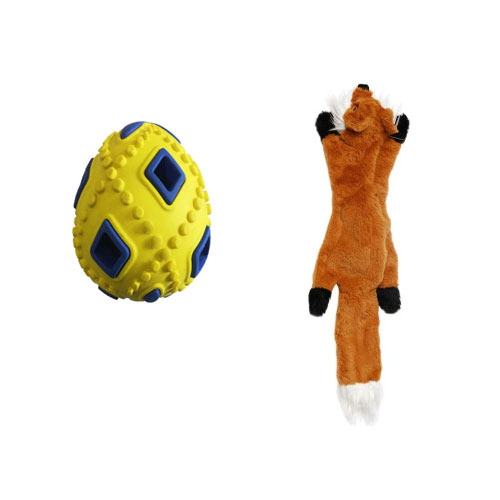
| Plush toys with hidden chew layer | Plush exterior over a rubber core | Appeals to soft-mouthed puppies; provides comfort; the inner core offers some chew resistance. | The plush can still be ripped; the inner rubber may become exposed and then chewed. Not for powerful chewers. | Gentle puppies or those who prefer soft textures. |
When you see a product labeled “chew-proof,” verify whether it’s made of one of these materials. Then, match the toy to your puppy’s age and chewing style. For a young teether (3–5 months), a freezer-friendly rubber toy is often ideal. For a strong 7-month-old with adult teeth coming in, a dense nylon chew might be a better strategic investment.
How to Choose the Right Toy for Your Puppy (By Age and Chew Style)
Your puppy’s age and individual chewing habits matter as much as the toy itself. Here’s a practical breakdown to help you narrow down the options.
Puppies Aged 3 to 4 Months
At this stage, the incisors are erupting, and your puppy will chew on almost anything. Choose toys that are very flexible, with a low hardness rating. Cooling toys are especially beneficial because the cold numbs the gums. Look for soft rubber rings, banana-shaped chews, or toys with varying textures. Avoid hard nylon entirely. Size is critical: the toy should be long enough that the puppy cannot easily reach the molar area, but not so large that they can’t pick it up. A common mistake is buying a toy too large, which can frustrate the puppy and cause them to ignore it.
Suggested read: Best Chew Toys for Large Breed Dogs: Durable Picks for Power Chewers
Puppies Aged 5 to 6 Months
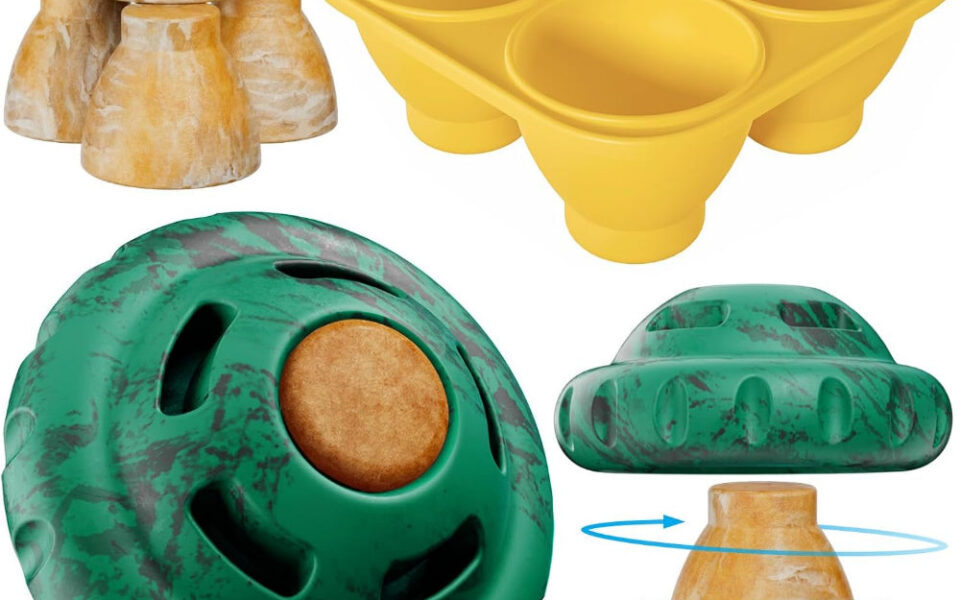
The premolars and molars are coming in, which is usually the most painful phase. Your puppy may drool excessively and show a drastic increase in chewing. At this point, you can introduce slightly firmer rubber toys, but still with some give. A toy like a classic Kong (original red version) works well—you can stuff it with wet food or yogurt then freeze it for a long-lasting treat. Rope toys can also be introduced for gentle tug, but always supervise to prevent fiber ingestion.
Puppies Aged 7 to 12 Months
By now, most adult teeth are through, but the puppy still has a strong urge to chew. This is when you can transition to harder materials like nylon, or heavy-duty rubber blends such as those used in many “power chewer” lines. However, do not assume that an adult “indestructible” toy is automatically safe. Check that it has some flex. A hard nylon toy that has zero give can still crack a tooth if your puppy chews aggressively for long periods. Always rotate toys to keep interest and prevent obsessive chewing on one item.
Practical Tips for Using Teething Toys Effectively
Even the best dog toys for teething puppies won’t help if you don’t use them wisely. Here are actionable strategies to maximize relief and safety:
- Rotate toys every few days. Puppies get bored. Having three or four different types and swapping them out keeps the toy “new” and exciting.
- Freeze everything you can. Rubbery toys can be soaked in water or chicken broth (low sodium), then placed in the freezer for 30–60 minutes. The cold soothes gums, and the slight firmness gives more resistance.
- Use a two-toy system. If your puppy starts chewing on your shoe, do not shout. Instead, calmly say “no,” then immediately offer the teething toy. Praise when they take it. This teaches appropriate chewing targets.
- Monitor the condition of toys daily. Look for cracks, missing chunks, or loose parts. The moment a toy shows wear, remove it and replace. A worn rubber toy can become sharp and cause mouth cuts.
- Avoid sticks and bones from the yard. Even if your puppy loves them, natural sticks can splinter and cause internal injuries. Also, cooked bones are brittle and can shatter.
- Supervise the first use of any new toy. Watch for at least 10 minutes to ensure the toy is not too hard, too small, or behaving unexpectedly. Some toys have a strong odor that may put some puppies off.
Also, consider the environment. Teething puppies often become more destructive when they are tired or anxious. Ensure your puppy gets enough physical exercise and mental stimulation. A tired puppy is less likely to engage in destructive chewing.
Red Flags: What to Avoid in Teething Toys
While we’ve covered what to look for, it’s equally important to avoid certain products that pose hidden dangers. The pet market is unregulated, and many novelty toys are not designed with dental safety in mind.
- Toys with squeakers: A puppy can easily chew through the outer layer and extract the plastic squeaker, which is a classic choking hazard. If you choose a squeaky toy, ensure it is heavily reinforced, and remove it as soon as the squeaker becomes accessible.
- Hard plastic “bones” from unknown brands: Some cheap plastics contain chemical softeners that can be harmful if ingested. Stick to brands that explicitly state their material sourcing.
- Toys that are too hard to indent with a fingernail: This old rule of thumb still works: if you press your thumbnail into the toy and it doesn’t leave a dent, it’s too hard for puppy teething.
- Rope toys with frayed strands: Replace them immediately. Tangled fibers can wrap around a puppy’s tongue or intestine.
- Used toys with unknown history: Avoid garage sale toys or hand-me-downs that may have already been weakened or contaminated.
Another important note: the concept of “chew-proof” can vary by breed. A teething Golden Retriever may destroy a toy in a day, while a teething Chihuahua might never put a dent in it. Know your dog’s chewing style. If you have a powerful chewer, look for toys that carry a replacement guarantee—some brands offer lifetime replacement for non-destructive chewing, but they mean it when the dog has not bitten off pieces. Always read the fine print.
Conclusion: The Long Game of Puppy Teething
Teething is a temporary phase, but the habits your puppy forms now can last a lifetime. The best dog toys for teething puppies are not just about saving your furniture—they’re about teaching your dog what is appropriate to chew and providing a healthy outlet for stress. Invest in a few high-quality, durable options that fit your puppy’s age and jaw pressure. Mix up textures and cooling features. And always supervise new toys until you’re confident of their durability. Finally, keep in mind that product designs and materials evolve. What was popular last year may be discontinued today. Always check current reviews and safety recalls from the manufacturer or your veterinarian. With the right approach, you’ll get through the teething stage with your sanity and your baseboards intact.