In this guide
Understanding the Two Main Bedding Options
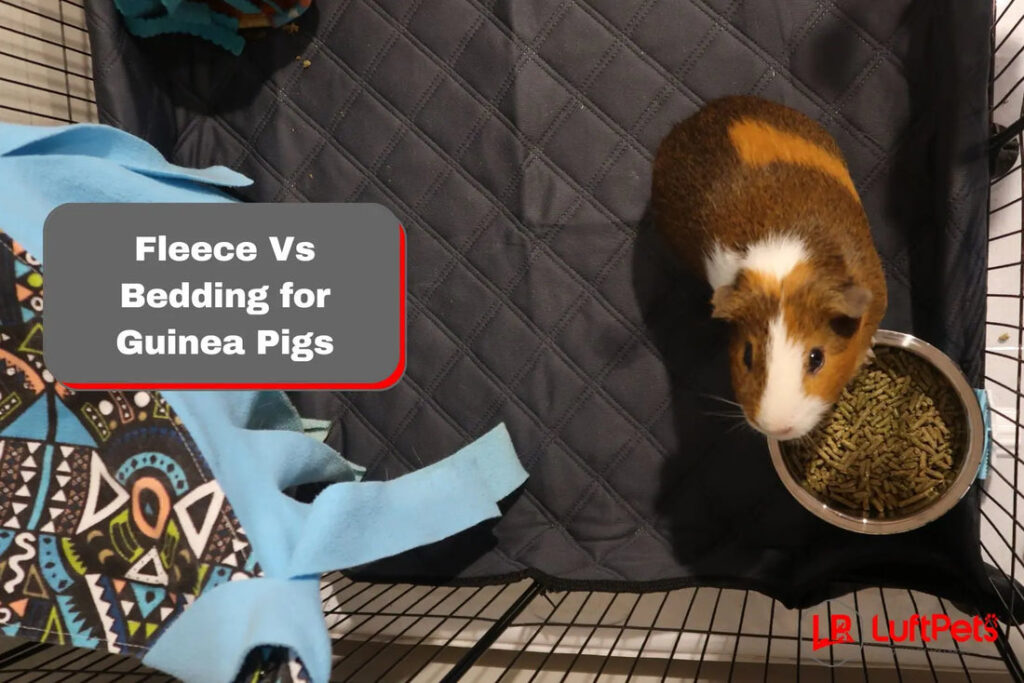
When you keep guinea pigs indoors, bedding is one of the most important choices you’ll make. It affects your pets’ comfort, the smell in your home, the amount of waste you generate, and how much time you spend cleaning. Two options dominate the conversation among guinea pig owners: fleece liners and paper bedding. Each has passionate fans, and each works well in the right situation.
Fleece liners are reusable fabric cage liners, usually made from layers of fleece on top with an absorbent middle layer such as cotton, bamboo, or a purpose-made absorbent fabric. Paper bedding is a loose, disposable substrate—typically shredded or pelleted paper products sold in pet stores and sometimes marketed for small animals. This article compares them on cost, cleaning, odor control, comfort, and practical considerations so you can decide which suits your household.
Keep in mind that specific products, prices, and formulations change over time. Always check current product information and packaging, and confirm that any bedding you choose is safe for guinea pigs.
Cost Comparison: Upfront Price vs Long-Term Spending
The cost picture is one of the biggest deciding factors, but it’s also the one people most often misjudge. Fleece liners have a higher upfront cost: a quality liner sized for a standard cage may cost more than a large bag of paper bedding. However, fleece is reusable, so the cost per week can drop substantially over months and years—provided the liners hold up and you have enough sets to rotate.
Paper bedding is cheap per bag but needs constant replacement. For a single guinea pig in a modest cage, you might go through a bag every week or two; with multiple pigs or a large cage, consumption adds up quickly. Over a year, frequent repurchasing can cost more than a set of fleece liners, though this depends heavily on local prices and how often you change bedding.
There’s also a hidden cost to fleece: laundry. You’ll run extra loads of washing, which uses water, detergent, and electricity. If you pay for utilities or use a laundromat, factor that in. A practical middle ground many owners use is a fleece liner as the main surface with a small disposable litter area—such as a paper-based litter box—where the guinea pigs tend to go most.
Cleaning and Maintenance: Daily Habits and Weekly Chores
Fleece changes the cleaning routine rather than eliminating it. Because fleece wicks moisture through to the absorbent layer, the surface stays relatively dry, but solid waste and hay must be removed daily—often twice a day—to prevent odor and keep the surface clean. Once or twice a week, depending on cage size and number of pigs, you swap in a fresh liner and wash the used one.
Washing fleece properly matters. Loose hay and hair should be shaken out or brushed off before washing, and many owners rinse or pre-wash heavily soiled liners. Using a pet-safe, fragrance-free detergent and avoiding fabric softener helps maintain the fleece’s ability to wick moisture. Some liners can be machine dried on low; others are best air-dried, so check the manufacturer’s instructions.
Paper bedding is simpler day to day: spot-clean soiled areas, then remove and replace the bedding entirely, typically once or twice a week. There’s no laundry, no pre-rinsing, and no waiting for liners to dry. The trade-off is the ongoing physical work of bagging and disposing of used bedding—and the volume of waste it creates.
Which is less work depends on your lifestyle. If you have a washing machine at home and don’t mind a couple of extra loads a week, fleece can feel easier. If you dislike laundry or lack easy access to a machine, paper bedding may be the more convenient choice.
Odor Control and Absorbency
Odor is where the two materials behave very differently. Fleece itself doesn’t absorb urine; it wicks it into the absorbent layer beneath. That layer holds moisture, but if it becomes saturated—or if the liner isn’t changed often enough—ammonia odor can build up. Good airflow, daily spot-cleaning, and a properly sized cage all help. Some owners add an absorbent pad under the liner or use liners with extra absorbent cores for better performance.
Paper bedding absorbs directly and can lock away moisture reasonably well, especially pelleted or denser paper products. Odor control varies widely by product type and how thickly you layer it. Loose paper bedding needs to be deep enough for guinea pigs to burrow and for urine to disperse; a thin layer saturates quickly and smells. Paper bedding also tends to be dusty, which can matter for guinea pigs with sensitive respiratory systems.
Neither option is odor-free. Cage size, ventilation, number of animals, and cleaning frequency matter more than the bedding material itself. A large cage with frequent cleaning and either bedding type will generally smell better than a small cage with infrequent cleaning.
Comfort, Safety, and Guinea Pig Behavior
Guinea pigs are ground-dwelling animals that enjoy burrowing, foraging, and soft footing. Paper bedding offers depth and texture that many guinea pigs enjoy digging into and nesting in, and it can cushion falls and support natural behaviors. It also tends to be easy to spot-clean and can be piled deeper in corners where pigs like to sleep.
Fleece provides a soft, flat surface that’s gentle on feet and easy to keep tidy. It doesn’t allow burrowing in the same way, though you can add fleece hidey-house liners, cuddle cups, and piles of hay for enrichment. Some guinea pigs love fleece; others seem to prefer loose bedding. A common observation among owners is that pigs with certain foot issues or sensitivities may do better on smooth fleece, while others seem to enjoy digging in paper. Individual preferences vary, and it’s worth observing your own pigs.
Safety considerations apply to both. With fleece, check that liners lie flat without wrinkles or loose threads that could trap toes, and make sure the fabric hasn’t been treated with anything. With paper bedding, avoid heavily scented products, colored inks or dyes that may not be pet-safe, and dusty formulations. Always confirm the product is intended for small animals and follow the packaging guidance.
Environmental Impact and Waste
Fleece liners generate far less household waste over time because they’re reused. The trade-off is water and energy use from laundering, plus the eventual disposal of worn-out liners. Paper bedding is compostable in many cases (check local rules and whether the bedding has been soiled with waste, and follow local guidance), but it produces a steady stream of packaging and used bedding that must be bagged and thrown away or composted.
There’s no universally “green” winner—it depends on how your electricity and water are sourced, how you wash liners, and whether you can compost paper bedding. If reducing landfill waste is your priority, fleece usually wins; if you have a compost system and prefer not to run extra laundry, paper may suit you better.
Quick Comparison Table
| Factor | Fleece Liners | Paper Bedding |
|---|---|---|
| Upfront cost | Higher | Lower |
| Ongoing cost | Lower over time (plus laundry costs) | Ongoing purchases and disposal |
| Daily cleaning | Spot-clean solids and hay | Spot-clean and top up |
| Full change frequency | Typically 1–2 times per week | Typically 1–2 times per week |
| Odor control | Depends on absorbent layer and change frequency | Depends on depth, product type, and change frequency |
| Dust | Minimal | Varies; some products are dusty |
| Burrowing/nesting | Limited (add accessories) | Good |
| Waste generated | Low (reusable) | Higher (disposable) |
| Laundry required | Yes | No |
Practical Tips for Either Choice
- Size the cage generously. More space means less concentrated waste and better odor control with either bedding.
- Use a litter area. Guinea pigs often urinate in favored corners; a small tray with paper bedding or a pee pad can reduce the load on the main surface.
- Layer smartly with fleece. An absorbent pad under the liner, or liners with a built-in core, improves performance.
- Go deep with paper. A shallow layer saturates fast; follow product guidance and add more in sleeping areas.
- Wash fleece correctly. Shake off debris, use a gentle detergent, skip fabric softener, and check drying instructions.
- Avoid scented or dusty products and confirm bedding is labeled safe for small animals.
- Consider a hybrid setup: fleece as the base with a paper-bedding litter corner is popular and combines the strengths of both.
Which Should You Choose?
There’s no single best answer. Fleece liners tend to suit owners who want to reduce ongoing purchases and waste, don’t mind laundry, and are happy to spot-clean daily. Paper bedding tends to suit owners who prefer a disposable, low-maintenance routine, whose guinea pigs enjoy burrowing, or who lack easy access to a washing machine.
Many owners try both—or use them together—before settling on a routine. Whichever you choose, prioritize a large cage, daily spot-cleaning, and frequent full changes, since these matter more for your guinea pigs’ health and your home’s comfort than the bedding material alone. And because products and prices change, check current packaging and retailer information before buying, and consult your veterinarian if your guinea pig has respiratory or foot issues that might affect bedding choice.