Ultimate Guide to Dog Treat Dispensing Toys for Mental Enrichment
Dogs are far more than companion animals; they are intelligent problem-solvers with an innate drive to forage, work, and explore. A tired dog is a happy dog, but physical exercise alone doesn’t always satisfy a dog’s deep-seated need for mental stimulation. That’s where dog treat dispensing toys for mental enrichment come in. These clever devices combine food rewards with interactive challenges, turning snack time into a brain-boosting activity. This guide will walk you through everything you need to know about these toys, from how they work and why they matter, to choosing the right type for your dog and using them safely. Whether you have a tiny puppy or a senior rescue, understanding these tools can transform your dog’s daily routine.
Why Mental Enrichment Matters for Dogs
Modern domestic dogs often live in environments that are vastly different from their ancestral roots. Instead of hunting and scavenging for their meals, they receive food in a bowl twice a day. While this is convenient, it leaves many natural instincts unexpressed. Without sufficient cognitive challenges, dogs can become bored, anxious, and frustrated. This boredom frequently manifests in destructive behaviors such as chewing furniture, excessive barking, digging, or pacing.
Mental enrichment is the process of providing novel and stimulating activities that engage a dog’s senses, mind, and natural problem-solving abilities. Treat dispensing toys are a cornerstone of this practice. When a dog has to figure out how to roll a ball to release a kibble, or slide a puzzle piece to uncover a hidden treat, they are actively thinking, learning, and concentrating. This mental work is often more tiring than a long walk, according to the general consensus among veterinary behaviorists and professional dog trainers. A mentally enriched dog is typically calmer, more confident, and less prone to stress-related behaviors. Moreover, these activities can build a dog’s resilience and ability to cope with novelty, which is particularly useful for dogs that struggle with separation anxiety or changes in their routine.
How Dog Treat Dispensing Toys Work
The fundamental principle behind all treat dispensing toys is simple: the dog must perform a physical action to receive a food reward. This action can range from rolling and pawing to nudging, sliding, or chewing. The difficulty of these tasks can be adjusted, which allows you to tailor the experience to your dog’s skill level. The toys work by appealing to a dog’s natural foraging instincts. In the wild, dogs spend a significant portion of their day searching for food. Treat dispensing toys recreate this scavenging experience in a controlled and safe manner.
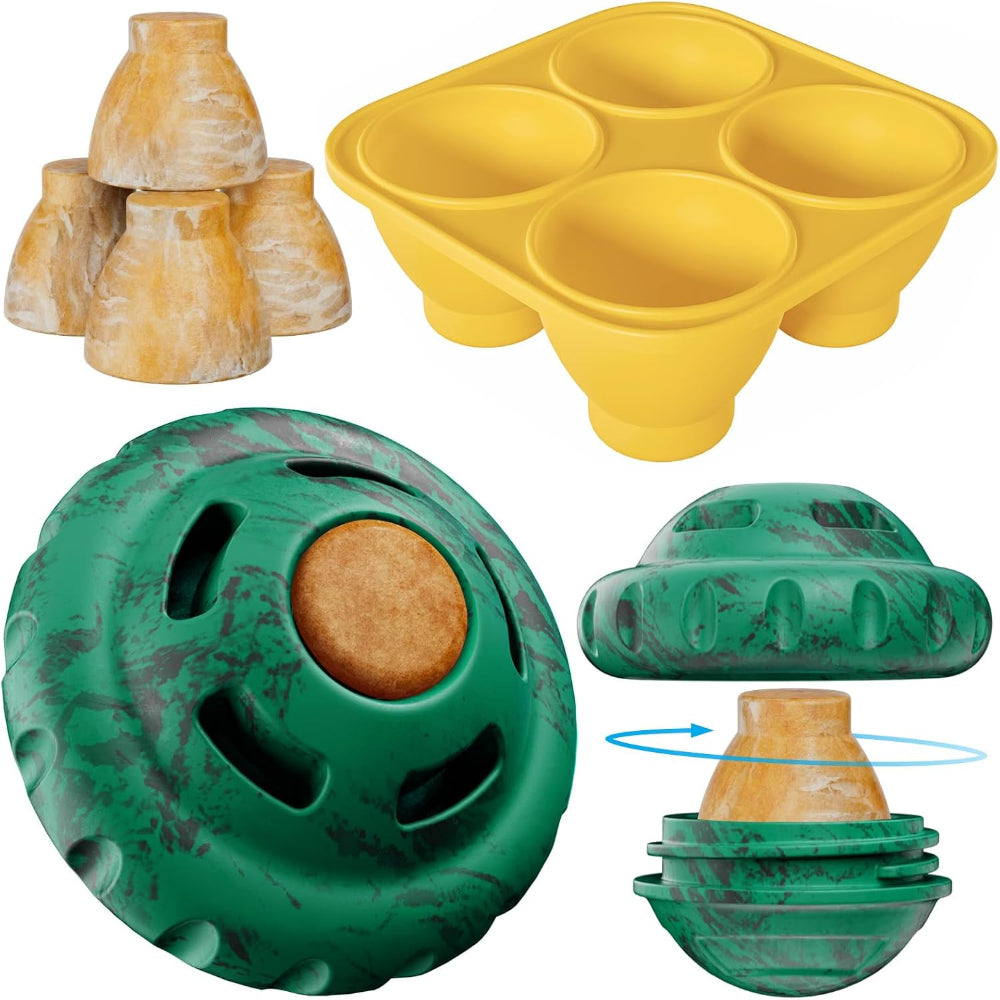
Mechanically, most toys fall into one of several broad categories. Some have a hollow interior where you can stuff treats or kibble mixed with a soft paste, such as peanut butter (xylitol-free only) or yogurt. As the dog licks and nudges the toy, the food gradually squeezes out. Others have adjustable openings – a small hole that only releases a single piece of kibble when the toy is rolled at the correct angle. Still others are puzzle boards with compartments that require the dog to lift, slide, or rotate pieces to access the treats underneath. The key is that the dog must persist and experiment to be successful, which stimulates cognitive functions like memory, attention, and spatial reasoning.
Types of Treat Dispensing Toys
Treat dispensing toys are not a one-size-fits-all solution. They vary greatly in design, difficulty, durability, and the kind of movement they encourage. Below is a practical breakdown of the most common types you’ll encounter.
| Type | Typical Design | Best For | Difficulty | Durability |
|---|---|---|---|---|
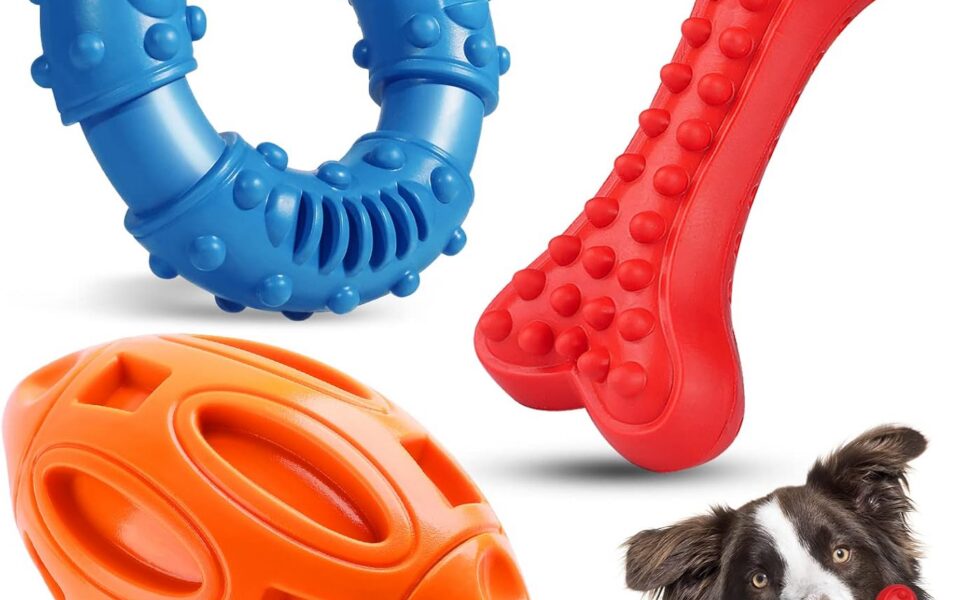
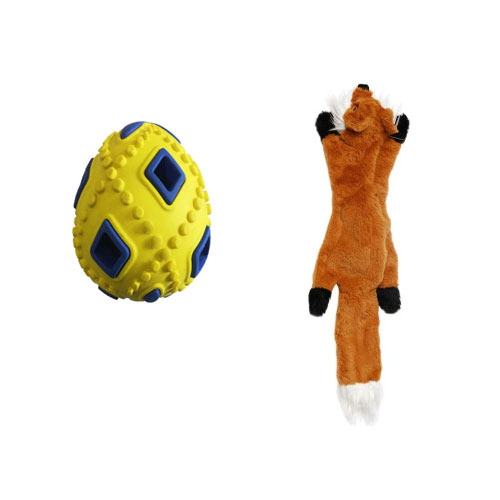
| Rolling Balls | Hollow sphere with interior channel or holes that dispense kibble when rolled. | Active dogs, moderate chewers, dogs that like to chase and bat objects. | Low to Moderate | Variable – rubber and hard plastic are common. |
| Puzzle Boards | Flat tray with sliding compartments, drawers, or hinged lids that hide treats. | Dogs that prefer to use their paws and nose to manipulate stationary objects. | Moderate to High | Usually hard plastic, moderate durability. |
| Snuffle Mats | Fabric mats with fleece strips where treats are hidden in the folds. | Nervous dogs, seniors, and dogs that need low-impact activity. | Low | Varies – washable, but not for heavy chewers. |
| Slow Feeders | Shallow bowls with ridges, mazes, or indentations that slow down eating. | Fast eaters and dogs that gulp their dinner. | Low | Good, generally durable plastic or rubber. |
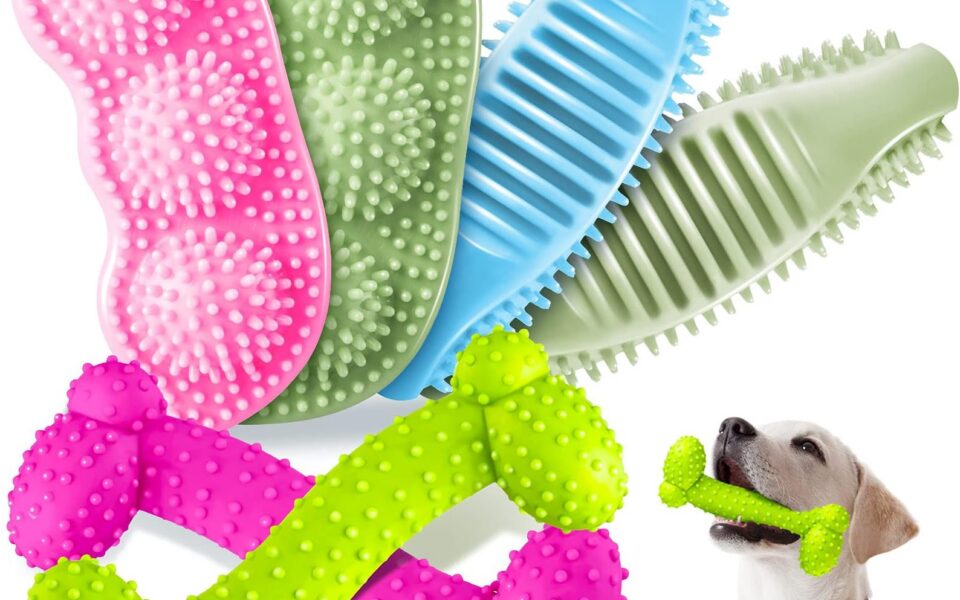
| Interactive Chew Toys | Durable rubber shapes with a hole for stuffing treats (e.g., classic Kong-style). | Aggressive chewers, long-term engagement. | Moderate | High – designed for heavy chewing. |
| Sliding Tower Toys | A vertical tower with tiers that can be rotated or slid to reveal treat chambers. | Dogs that enjoy manipulating objects with their nose or paws. | Moderate to High | Moderate – often plastic with moving parts. |
Note that product availability, materials, and specific designs change frequently from brands. Always check the manufacturer’s latest specifications and current customer reviews before purchasing, as details like exact dimensions or chew-resistance ratings can be updated without notice.
Choosing the Right Toy for Your Dog
Selecting the perfect treat dispensing toy requires a careful assessment of your dog’s individual characteristics. The right toy should be challenging enough to be engaging, but not frustratingly difficult. Here are some practical factors to consider:
Suggested read: Best Dog Toys for Teething Puppies: Chew-Proof Picks
- Size and Breed: The toy must be appropriately sized so your dog can comfortably grasp, carry, or manipulate it without swallowing it. A toy that is too small can be a choking hazard. For large breeds, choose toys that are too big to fit entirely inside the mouth.
- Chew Strength: If your dog is a power chewer, a soft plastic puzzle with thin parts will be destroyed in minutes. Look for toys made from tough rubber (like natural rubber) or high-density nylon. Avoid toys with small detachable parts that could be swallowed.
- Experience Level: A first-time user needs a simple toy that offers quick rewards, like a rolling ball with a large opening. As your dog masters that, you can upgrade to a puzzle board with multiple stages or a toy with smaller holes. Difficulty progression is key to maintaining interest.
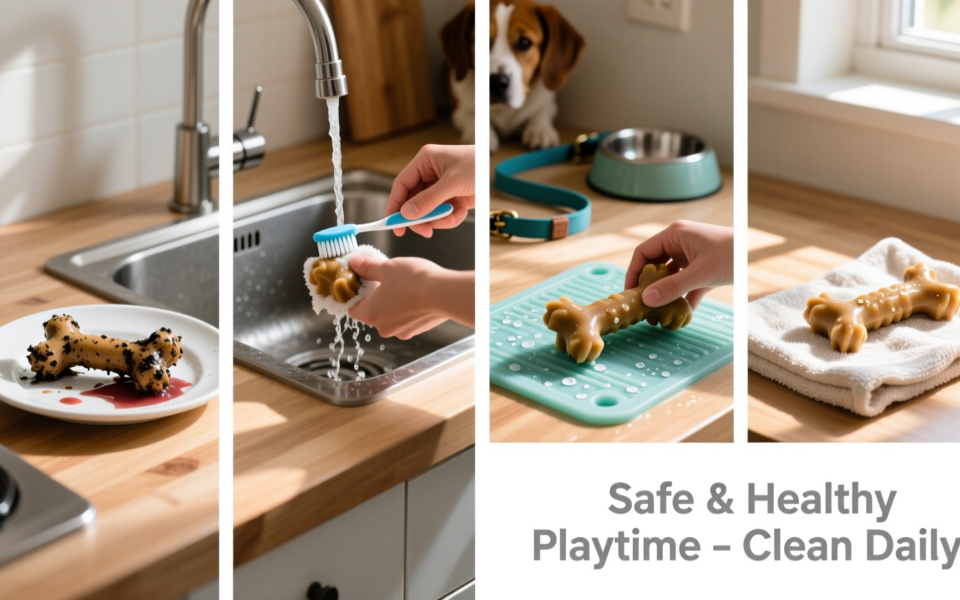
- Cleaning and Maintenance: Food residue can become a breeding ground for bacteria. Toys that are dishwasher-safe (top rack) or have smooth interiors that are easy to rinse are preferable. Also consider toys that allow you to load treats quickly – you may use them daily.
- Your Dog’s Activity Style: Some dogs are natural nudgers, while others are paw-lifters. Observe how your dog plays. If they like to toss things, a rolling ball is ideal. If they prefer stationary manipulation, a puzzle board works better. For dogs that only use their nose, snuffle mats are excellent.
Practical Tips for Maximizing Mental Enrichment
Owning the toy is only the first step. To truly unlock its potential, you need to integrate it into your dog’s routine effectively. Here are some actionable strategies:
- Start Simple and Supervise: Introduce the toy when your dog is calm. Show them how it works – you can place a few particularly smelly treats on the outside first to build positive association. Then, guide them to discover the hidden food. Never force your dog; let them explore at their own pace.
- Use a Food Routine: Rather than giving your dog every meal from a bowl, allocate a portion of their daily kibble to treat dispensing toys. This adds mental enrichment without adding extra calories. You can also use high-value snacks (like small pieces of cheese or freeze-dried liver) for more difficult puzzles, but adjust your dog’s daily calorie intake accordingly.
- Rotate the Toys: Dogs get bored with the same toy after a few days. Keep a collection of two or three different types and rotate them every few days. When the toy returns after being away for a week, it becomes “new” again, reigniting curiosity and excitement.
- Adjust Difficulty Gradually: The goal is to keep your dog in a “flow state” – challenged but not overwhelmed. If your dog gives up after 30 seconds, you need to make the toy easier. If they solve it in under a minute, it’s too easy. You can increase difficulty by freezing the treats inside the toy (especially with rubber toys) or by adding more complex puzzle mechanisms.
- Combine with Training: Use the toy as a reward for obedience cues like “sit” or “down.” This reinforces good behavior while also providing the mental workout.
Safety Considerations and When to Retire a Toy
While treat dispensing toys are generally safe, they are not indestructible. Regular inspection is vital to prevent accidents. Always inspect the toy before each use. Look for cracks, sharp edges, or missing pieces. If your dog is an aggressive chewer, they might be able to break off chunks of rubber or plastic, which could cause a blockage or choking. If the toy has a hole or a flap that is breaking off, remove it immediately.
Another safety consideration is the type of food you put inside. Use treats that are appropriately sized so they can be released easily. For stuffed toys, avoid filling them with anything that spoils quickly if left out for hours. Xylitol, an artificial sweetener found in some peanut butters, is highly toxic to dogs – always check the label and use only dog-safe spreads like plain, unsweetened peanut butter (without xylitol), pumpkin puree, or soft cheese.
Finally, understand that no toy is meant to last forever. Even the toughest rubber toy can become soft or develop tears over time. The rule of thumb is: when in doubt, throw it out. A destroyed toy is not worth a trip to the emergency vet. Also, always supervise your dog with a new toy for the first few uses until you are confident they are not trying to eat large pieces.
Integrating Mental Enrichment into Daily Life
Beyond treat dispensing toys, mental enrichment can be a holistic part of your dog’s life. However, these toys offer a unique and convenient way to provide structured challenges with minimal effort on your part. You can use them during times when your dog is restless, before visitors arrive, or when you have to work from home and need to keep them occupied independently. Many dog caregivers find that a 15-minute puzzle game in the morning leads to a significantly calmer afternoon. You can also combine them with scent games – hide the loaded toy in a cardboard box or under a blanket so your dog has to use their nose to find it, further enhancing the challenge.
Remember that mental enrichment is not a substitute for physical exercise or social interaction. Rather, it is a complement. A balanced canine routine includes walks, playtime, training, and quiet rest. By incorporating treat dispensing toys, you are adding a valuable dimension that exercises your dog’s brain in the same way that physical activity exercises their body.
In summary, dog treat dispensing toys for mental enrichment are an excellent investment in your dog’s wellbeing. They satisfy natural instincts, prevent boredom-related behavioral issues, and strengthen the bond between you and your dog through interactive play. The key is to select a suitable toy, use it thoughtfully, and rotate it to keep the challenge fresh. As product designs continue to evolve, always verify the latest specific details for each toy you consider, but the core principles of safety, progression, and fun remain timeless. Start with a simple toy today, and watch your dog discover a new world of engaging, nose-and-paw-powered entertainment.