Understanding the Basics: Plush vs. Rubber
When you walk down the dog toy aisle, the sheer variety can be overwhelming. Two of the most popular categories are plush toys—soft, cuddly, often shaped like animals or characters—and rubber chew toys, which come in a range of textures and firmness levels. Each type serves different purposes, and neither is inherently “better” than the other. The right choice depends on your dog’s age, chewing style, play preferences, and your own household habits. This guide breaks down the strengths and limitations of both to help you make an informed decision.
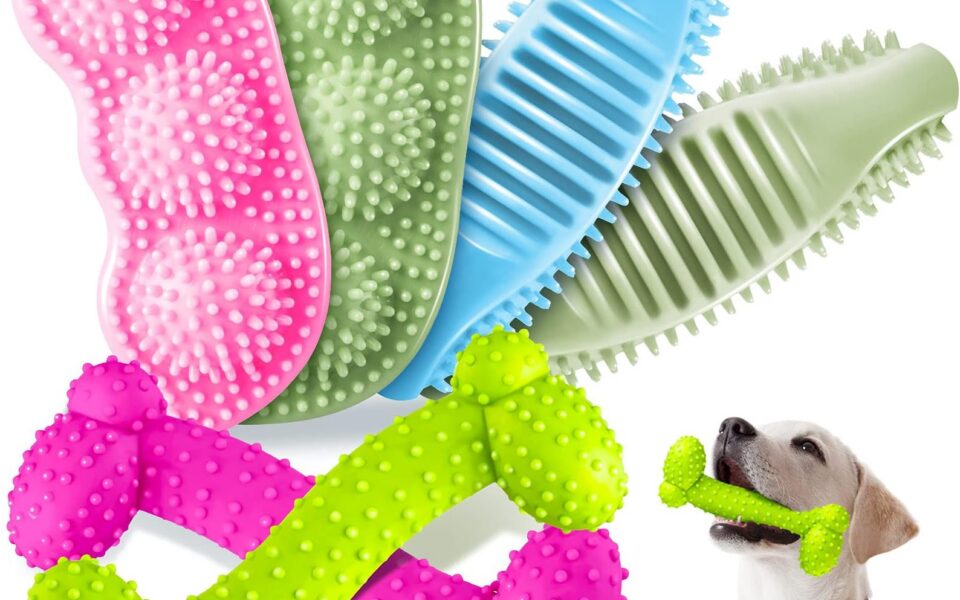
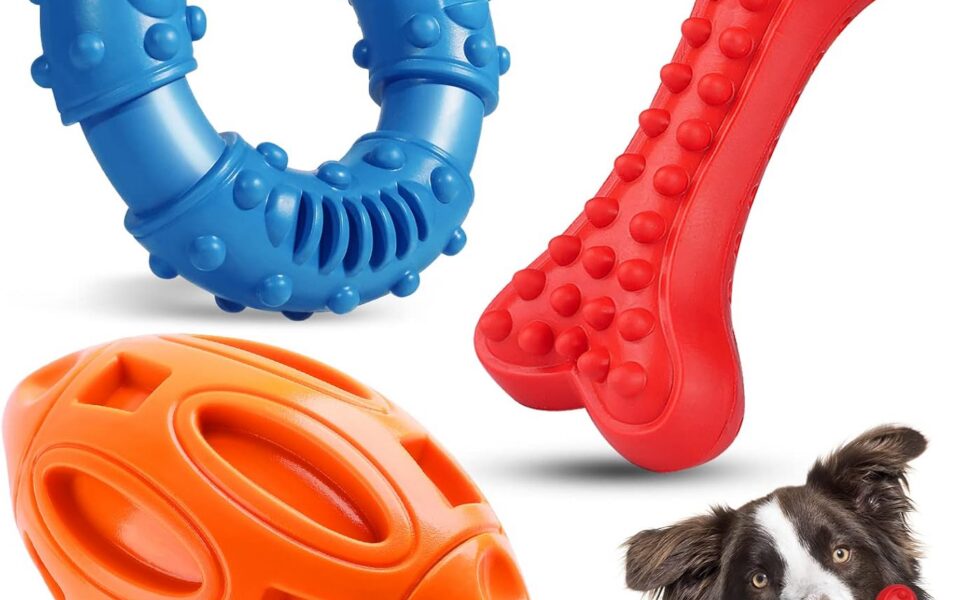
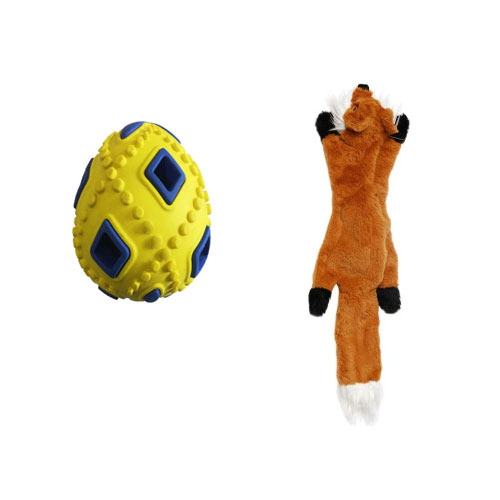
Plush toys are typically made from fabric, stuffing, and sometimes squeakers or crinkly inserts. They appeal to dogs that enjoy carrying, shaking, and “killing” prey-like objects, as well as to pets that simply want a soft companion to nap with. Rubber toys, on the other hand, are designed for durability and dental health. They are often hollow or textured to hold treats, and they come in varying densities—from soft, flexible rubber for gentle chewers to ultra-tough materials for power chewers.
The Case for Plush Dog Toys
Plush toys are rarely about brute force. They excel at engaging a dog’s natural instinct to hunt and retrieve. The softness mimics the feel of prey, making them ideal for games of fetch indoors, tug-of-war (with caution), or simply as a comfort object. Many dogs become attached to a particular plush toy and carry it around like a security blanket—this is especially common in breeds with a strong bond to their humans.
For puppies, plush toys can be a gentle introduction to toy play. Their soft texture is easy on developing teeth and gums. Senior dogs with sensitive mouths also often prefer plush toys because they don’t put pressure on aging teeth. Additionally, plush toys are quieter than rubber ones when thrown against furniture—a small but notable advantage for apartment dwellers.
Key Benefits of Plush Toys
- Encourage gentle play and bonding
- Safe for light chewers and puppies
- Great for comfort and emotional support
- Often contain squeakers that satisfy prey drive
- Easy to wash (check label for cleaning instructions)
However, plush toys have a significant downside: they are not built to last. A determined chewer can tear through seams and stuffing in minutes, creating a choking hazard and a mess. Even moderate chewers may disembowel a plush toy quickly, leaving the outer fabric in shreds. Squeakers can also be a danger if swallowed. For these reasons, plush toys are best suited for supervised play sessions or for dogs that do not obsessively chew.
The Case for Rubber Chew Toys
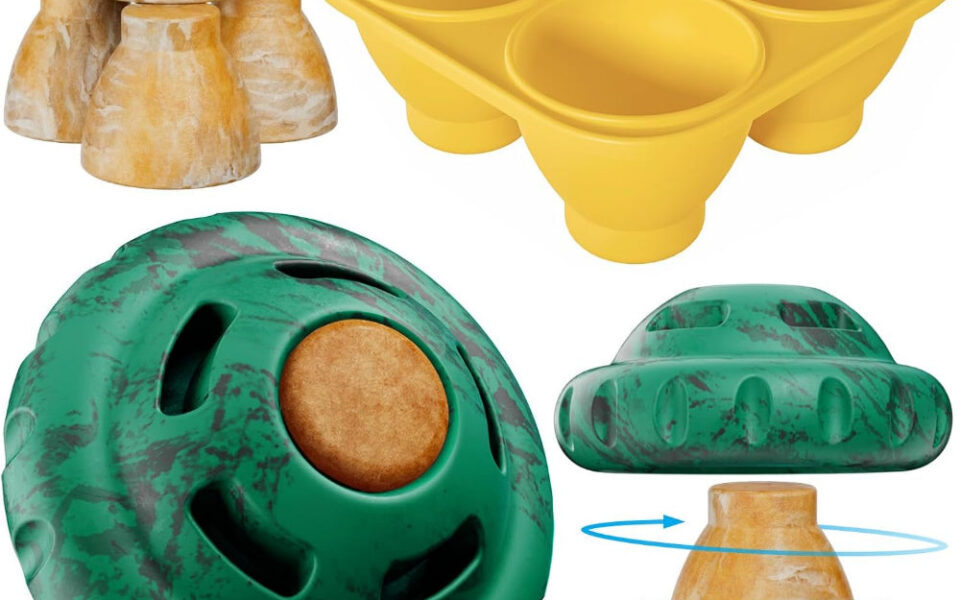
Rubber toys are engineered for durability and dental health. They satisfy the natural urge to chew, which is especially important for dogs that need an outlet for stress, boredom, or teething. The texture of rubber helps clean teeth and massage gums as the dog chews, potentially reducing plaque buildup—though regular dental care from your vet remains essential. Many rubber toys are also designed to hold treats or peanut butter, turning chew time into a rewarding puzzle.
Rubber toys are available in different hardness levels. Soft rubber toys are flexible and gentle, suitable for puppies or seniors. Firmer rubber toys are nearly indestructible, though even the toughest can be chewed through by a determined power chewer. Brands like Kong, Goughnuts, and West Paw are well-known, but you don’t need to rely on any particular brand—just pay attention to material quality and safety.
Key Benefits of Rubber Chew Toys
- Extremely durable compared to plush
- Promote healthy chewing habits and dental hygiene
- Can be stuffed with treats for mental stimulation
- Often dishwasher-safe for easy cleaning
- Come in various shapes and textures for different preferences
The main drawback of rubber toys is that some dogs simply don’t find them as engaging as plush toys. If a dog doesn’t enjoy chewing on rubber, they won’t benefit from it. Also, hard rubber toys can cause tooth fractures in aggressive chewers, especially if the toy is too hard for the dog’s jaw strength. Always supervise your dog with any new toy, and remove it if you notice damage.
How to Choose Based on Your Dog’s Personality and Needs
No two dogs are alike, so your decision should be based on your individual pup. Consider the following factors:
Suggested read: Best Dog Toys for Teething Puppies: Chew-Proof Picks
- Chewing intensity: Light chewers may be perfectly happy with plush toys, while heavy chewers will demolish them in minutes. If your dog can rip a stuffed toy apart with ease, opt for rubber.
- Play style: Does your dog love to fetch and chase? Plush toys are easier to carry and throw. Does your dog prefer to settle down and gnaw? Rubber is the better option.
- Age and dental health: Puppies and seniors often prefer softer textures. Choose plush toys for puppies under supervision, or very soft rubber toys. For healthy adult dogs, firmer rubber can be beneficial.
- Energy level: High-energy dogs need toys that can withstand vigorous play. Rubber toys are more resilient, but they also provide a different kind of mental workout if stuffed with treats.
- Household rules: Are you trying to protect your furniture? A rubber chew toy can redirect destructive chewing. Plush toys aren’t as effective for this purpose.
Many owners find that a mix of both types works best. Provide a rubber toy for structured chew sessions and a plush toy for cuddles and interactive play—just be ready to replace the plush toy when it inevitably wears out. If you have a serious power chewer, you might skip plush toys entirely and focus on heavy-duty rubber toys, but be aware that no toy is truly indestructible.
Safety Considerations for Both Toy Types
Always prioritize your dog’s safety, regardless of which toy you choose. Inspect toys regularly for signs of wear. For plush toys, check for loose stitching, exposed stuffing, and detached squeakers. If you see damage, discard the toy immediately. A dog that swallows stuffing can experience intestinal blockages, which are serious medical emergencies.
For rubber toys, watch for cracks, chunks bitten off, or pieces that could become lodged in the throat. Some dogs chew off the ends of rubber toys, so choose toys that are appropriately sized for your dog’s mouth—too small and they could be swallowed; too large and they might cause jaw strain. Always buy toys from reputable manufacturers that use non-toxic, food-grade materials. Avoid rubber toys with strong chemical odors, as these may contain harmful phthalates or other additives.
Another consideration is where your dog plays. Plush toys can be safe for supervised indoor play, but rubber toys are better suited for outdoor use because they don’t absorb water as easily and are less likely to become muddy. However, rubber toys can be slippery on hardwood floors, so you might want to keep them on carpets or rugs.
Comparison Table: Plush vs. Rubber at a Glance
| Feature | Plush Dog Toys | Rubber Chew Toys |
|---|---|---|
| Durability | Low to moderate; easily torn | High; can withstand heavy chewing |
| Primary purpose | Comfort, fetch, interactive play | Chewing, dental health, mental stimulation |
| Best for | Light chewers, puppies, seniors, cuddlers | Aggressive chewers, teething puppies, treat-lovers |
| Squeakers | Often included; can be a risk if swallowed | Rare; some have squeaks built into the rubber |
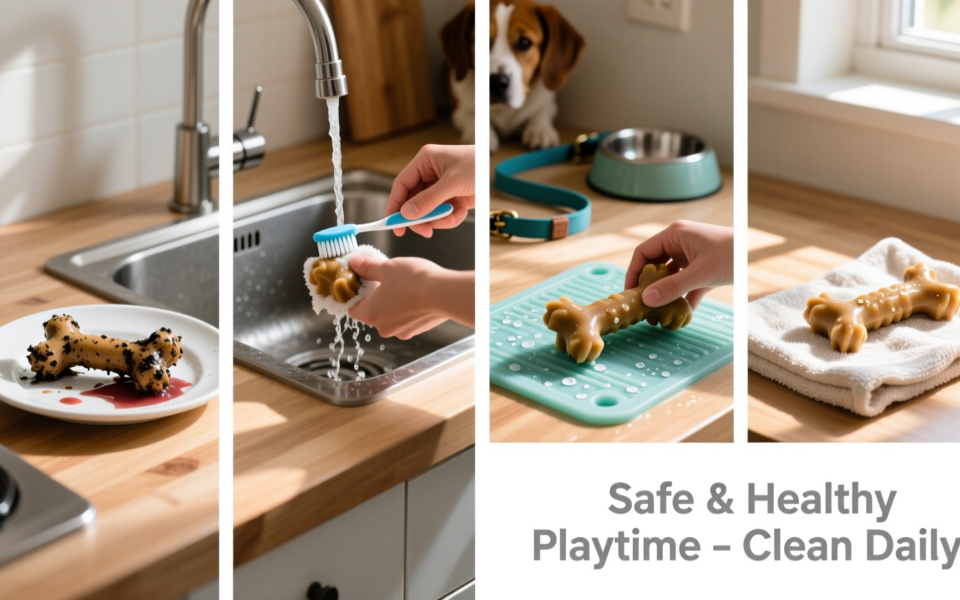
| Cleaning | Machine washable (check label); air dry | Dishwasher-safe or hand wash with soap |
| Potential hazards | Stuffing ingestion, choking on fabric or squeakers | Tooth fractures from hard rubber, swallowing chunks |
| Noise level | Quieter when thrown | Can be loud on hard floors |
Final Thoughts: Which One Is Right for Your Pup?
There is no single “right” answer—only the right answer for your specific dog. Watch how your dog interacts with toys. If they hump a plush toy and gently carry it around, a plush toy might be their favorite. If they immediately begin gnawing on a rubber toy and ignore the plush, their preference is clear. You can also experiment by offering both at the same time and seeing which one they gravitate toward.
Remember that toy preferences can change as your dog ages. A puppy that loves soft plush toys may become a determined chewer in adulthood, or a senior may move back to plush toys as their teeth become sensitive. Adjust your choices accordingly. And while this article provides general guidance, the specifics of toy safety and durability can change as manufacturers update materials or release new product lines. Always read current reviews and check the packaging for the latest recommendations, especially regarding any certifications or safety standards.
Ultimately, the best approach is to have a rotation of toys that includes both types, used appropriately for different situations. A rubber chew toy is perfect for when you need to keep your dog occupied while you work, while a plush toy shines during playtime and bonding. By understanding the strengths and weaknesses of each, you can create a stimulating and safe toy collection that keeps your furry friend happy and healthy.